

Is It Better to Use Synthetic or Conventional Oil? Mopar Service Director Sean Wilson Explains
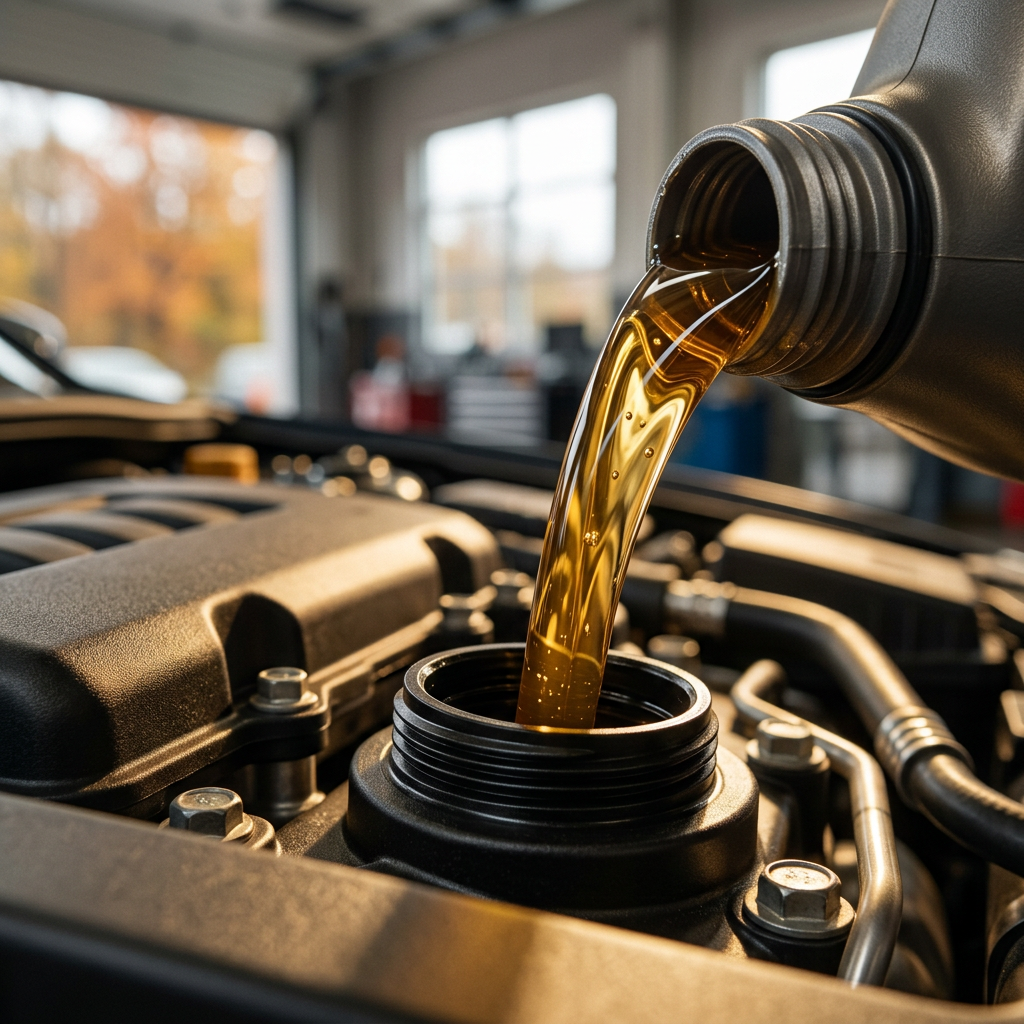
Full synthetic oil is substantially better than conventional oil for modern engines because its engineered molecular structure provides higher thermal stability, lower internal friction, and superior resistance to chemical breakdown. While conventional crude oil meets basic lubrication requirements for older engine designs, full synthetic fluid delivers maximum protection against mechanical wear, heat degradation, and sludge formation across extreme driving conditions.
Today, we sit down with Sean Wilson, Service Director at NewGen Chrysler Dodge Jeep Ram of Clinton, who brings 2 years of professional dealership experience to guide drivers on motor oil choices, factory specifications, and engine care.
Is It Better to Use Synthetic or Conventional Oil for Your Engine?
Q: Sean, is full synthetic oil really better for my engine than conventional oil?
A: Full synthetic oil is unequivocally better for engine longevity, fuel efficiency, and overall performance because its molecular structure is chemically engineered to remain uniform under stress. Conventional motor oil is refined directly from crude oil, which means it contains natural impurities and inconsistent molecular sizes that break down rapidly when exposed to high heat. Full synthetic oil flows instantly during freezing cold starts, resists thermal thinning during heavy engine loads, and actively prevents the formation of harmful engine sludge. While conventional oil may meet minimal baseline standards for older, low-stress engines, full synthetic fluid provides superior wear protection for virtually every modern vehicle.
For drivers in Onsted who regularly tow trailers near Wamplers Lake or haul heavy loads on rural farm routes, using full synthetic fluid prevents severe thermal oxidation inside the crankcase. Modern engine tolerances are exceptionally tight, and synthetic oil maintains a durable protective film across vital moving components that conventional crude simply cannot match. When you bring your vehicle to our Clinton service center or give our service team (517) 456-6555 a call, we ensure your vehicle receives the exact lubricant required by the factory. Drivers looking to maintain factory vehicle specifications can also utilize our vehicle locator tool to research exact engine and trim requirements.
Table of Contents
- What Is the Difference Between Full Synthetic, Synthetic Blend, and Conventional Oil?
- Is Full Synthetic Oil Worth the Extra Cost over Conventional Oil?
- How Does Synthetic Oil Improve Engine Protection and Fuel Economy?
- How Often Should Full Synthetic Oil Be Changed, and Does It Break Down?
- Which Oil Type Is Best for High-Mileage Vehicles or Emergency Top-Offs?
What Is the Difference Between Full Synthetic, Synthetic Blend, and Conventional Oil?
Q: How do full synthetic, synthetic blend, and conventional oils differ at a technical level?
A: The primary distinction between these three lubricant categories lies in the refining process and chemical structure of their base oils. Conventional oil undergoes standard distillation from raw petroleum, leaving traces of wax and unstable hydrocarbons that break down quickly under thermal stress. Synthetic blend oil combines conventional crude base stock with full synthetic fluid, delivering better oxidation stability and heat resistance than conventional oil at a middle-tier price point. Full synthetic oil contains zero raw crude base stock, being synthesized entirely from purified chemical compounds tailored for maximum lubricity and thermal resistance.
At the factory level, Society of Automotive Engineers standards classify oils by viscosity grade under the SAE J300 standard, but viscosity alone does not guarantee an oil satisfies an engine's specific mechanical demands. Chrysler, Dodge, Jeep, and Ram engines require specific material specifications, such as Chrysler Material Standard MS-6395, which tests lubricants for shear stability, valve train wear, and low-temperature sludge resistance over extended testing cycles. Whether you are servicing a 3.6L Pentastar V6 or a 5.7L HEMI V8, selecting a fluid that carries the proper approval ensures internal engine components remain fully protected. You can easily schedule your next Mopar service online or order genuine Mopar parts and fluids directly through our dealership.
Is Full Synthetic Oil Worth the Extra Cost over Conventional Oil?
Q: Sean, is full synthetic oil worth the higher upfront price tag for everyday driving?
A: Full synthetic oil is easily worth the initial investment because it protects critical internal engine components against premature wear and thermal destruction. While synthetic fluid costs slightly more per fill than conventional oil, it lasts significantly longer between service appointments and dramatically lowers the risk of catastrophic engine failures. Over the life of a vehicle, preventing premature wear on valve train components, hydraulic lifters, and turbocharger bearings saves thousands of dollars in mechanical repairs.
"Full synthetic oil is not just an upgrade; it is the baseline requirement for keeping modern high-compression engines running strong for hundreds of thousands of miles."
Modern powertrains feature sophisticated engineering that demands ultra-low viscosity fluids to operate effectively. For example, engines equipped with variable valve timing and active cylinder management rely on clean, consistent oil pressure to actuate hydraulic solenoids without hesitation. Using inferior oil can cause hydraulic lifter tick, delayed valve timing, and reduced engine responsiveness. Drivers who take advantage of current employee pricing offers on new vehicles often ask about preserving their factory warranty, and using factory-compliant synthetic oil is the single best step you can take to maintain full warranty protection.
How Does Synthetic Oil Improve Engine Protection and Fuel Economy?
Q: Can choosing full synthetic motor oil actually improve fuel economy and protect internal components?
A: Full synthetic motor oil improves fuel economy by roughly 1% to 2% because its uniform molecular size minimizes internal fluid friction and hydrodynamic drag inside the engine. Conventional oils contain irregular molecules that create internal resistance as engine parts move against one another. By reducing this mechanical resistance, the engine expends less energy turning the crankshaft, which translates directly into improved gas mileage during daily driving.
In cold weather, full synthetic oil provides an immense protection advantage during cold start-ups. Commuters in Michigan Center driving into Jackson during winter months rely on immediate oil pressure when turning the key on freezing mornings. Full synthetic SAE 0W-20 or SAE 5W-20 fluid flows instantly to the uppermost valve train components, preventing metal-on-metal contact during the first critical seconds of operation. Furthermore, for engines featuring Chrysler Multi-Displacement System technology, proper oil viscosity and fluid cleanliness are mandatory to keep cylinder deactivation solenoids functioning seamlessly.
How Often Should Full Synthetic Oil Be Changed, and Does It Break Down?
Q: How often should full synthetic oil be changed, and does synthetic fluid degrade over time?
A: Full synthetic oil generally lasts between 7,500 and 10,000 miles under normal driving conditions, though severe operating conditions require earlier service intervals. While synthetic fluid does not break down thermally at the rapid rate of conventional oil, it does degrade over time as it accumulates airborne dust, moisture from condensation, unburned fuel, and carbon soot. The oil filter also has a finite capacity for holding contaminants, making routine oil and filter changes essential for engine health.
Driving habits dictate whether your vehicle falls under standard or severe maintenance schedules. Frequent short trips under five miles, prolonged idling, stop-and-go city driving, off-road operation, and towing heavy loads all qualify as severe service. In these scenarios, the automatic oil-life monitor in your vehicle will calculate oil breakdown based on engine revolutions, operating temperatures, and engine loads, alerting you when a service visit is required. Following the oil-life monitor and owner's manual recommendations ensures your crankcase remains clean and free of harmful varnish.
Which Oil Type Is Best for High-Mileage Vehicles or Emergency Top-Offs?
Q: Sean, what oil works best for high-mileage engines, and what should drivers do in an oil emergency?
A: For vehicles with over 75,000 miles on the odometer, high-mileage full synthetic oil is the absolute best option. High-mileage synthetic formulations combine the exceptional thermal breakdown resistance of full synthetic fluid with specialized seal conditioners and anti-wear additives. These seal conditioners help swell and restore hardened rubber valve stem seals and crankshaft gaskets, stopping minor oil leaks before they turn into major engine messes. The added anti-wear inhibitors also protect older bearing surfaces that have experienced years of mechanical friction.
In an emergency situation where your engine oil level is dangerously low, you can safely mix full synthetic and conventional oil of the same SAE viscosity grade to top off the crankcase. Synthetic and conventional fluids are chemically compatible, so mixing them will not cause clumping or immediate damage. However, mixing conventional oil into a full synthetic crankcase lowers the overall quality and heat resistance of the fluid, so you should schedule a complete oil and filter change as soon as possible. Whether you need routine maintenance or wish to explore our featured pre-owned vehicles, you can always visit our Clinton service center or speak directly with our team at (517) 456-6555 for expert ownership support.
© 2026 NewGen Chrysler Dodge Jeep Ram of Clinton. All rights reserved.