

What You Need to Know About Reading Tire Wear Indicators and Identifying Tire Wear Patterns
Hi, I’m Brandon Delaney, a Service Advisor here at NewGen Chrysler Dodge Jeep Ram of Clinton with several years of experience helping customers from places like Jackson, Addison, and Tecumseh keep their vehicles running safely and smoothly. One topic I often discuss with our customers is how to properly check tire wear and understand what those wear patterns mean. Tires are one of the most critical safety components on your vehicle, whether you're commuting from Milan or heading out for weekend adventures near Napoleon. Knowing how to read your tire wear indicators and recognize uneven wear can save you money, improve your vehicle's performance, and keep your family safer on Michigan roads.
Feel free to call us any time at (517) 456-6555 if you want us to take a close look at your tires or help you schedule a service appointment. We’re conveniently located at 1111 W Michigan Ave, Clinton, MI 49236, right here to support drivers from nearby communities like Chelsea and Clarklake.
Let me explain how to read tire wear indicators and what to watch out for when checking your tires, based on my experience with Dodge, RAM, Chrysler, and Jeep vehicles.
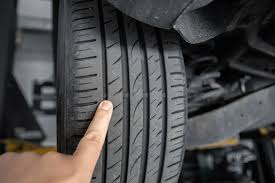
Tire wear indicators, sometimes called wear bars, are small raised sections of rubber molded into the grooves of your tire tread. These bars are spaced evenly around the tire to provide a quick visual and tactile reference for how much tread is left. When the tread wears down to the level of these bars, it means your tires have reached the legal minimum tread depth, usually 2/32 of an inch, and it's time to replace them. You can feel these wear bars by running your finger along the tread ribs. If your finger catches on the bar as much as the tread surface, it signals that your tire tread is worn evenly down to the limit and should be replaced. This method works well for drivers in places like Britton and Manchester who want a quick check at home.
But just looking or feeling for these wear bars isn’t the only way to assess your tires. Another common method is the penny test: insert a penny upside down into several tread grooves across the tire. If you can see the top of Lincoln’s head at any point, the tread is too shallow and replacement is recommended. This simple test is especially handy when driving through rougher roads around Bridgewater or Addison, where potholes may accelerate wear.
Now, when it comes to understanding how much wear is left on your tires, tread depth is just one part of the picture. Tire wear patterns provide valuable clues about potential problems with your vehicle that might be causing premature or uneven wear. I see this all the time with local drivers coming in from places like Norvell and Cement City.
For example, if you notice excessive wear on the inner or outer edges of your tires, it usually means your wheel alignment is off, often referred to as toe or camber wear. This can happen after hitting a pothole or curb, which is pretty common if you’re commuting through areas like Chelsea or Milan. Misaligned wheels cause the tire to make uneven contact with the road, leading to uneven wear. If unaddressed, this not only shortens your tire life but also affects handling and safety.
Another pattern to watch for is center wear, which typically points to overinflation. When your tires have too much air, the center of the tread bears most of the contact, wearing down faster than the edges. On the flip side, if the outer edges wear faster than the center, your tires are likely underinflated, which can cause handling issues and increase fuel consumption. Proper tire inflation is critical, especially in our Michigan climate where temperatures swing widely, so I always recommend checking your tire pressure regularly. The recommended pressure can usually be found on a sticker inside the driver’s door frame, which helps drivers in Tipton and Saline keep their tire pressures right where they should be.
Cupping wear is a more severe pattern where you see a scalloped or wavy pattern across the tire tread. This almost always indicates worn suspension parts like shocks or struts and can cause noticeable vibrations at higher speeds. This kind of wear can be dangerous if not addressed promptly, so if you’re driving near Manitou Beach or Adrian and feel unusual vibrations, bring your vehicle in for a quick inspection.
Patchy or spotty wear, where parts of the tire seem worn more than others, usually means your tires are out of balance. Having your tires balanced and rotated regularly, every 5,000 miles or so, can help even out wear and extend tire life. This maintenance is essential for drivers commuting between Brooklyn and Napoleon, where road conditions vary.
Speaking of tire life, you might be wondering what a good treadwear score means when shopping for new tires or evaluating your current set. The Uniform Tire Quality Grading (UTQG) system uses treadwear ratings to estimate how long a tire should last compared to a baseline rating of 100. For example, a tire with a 500 treadwear rating is designed to last about five times longer than a tire rated 100, but this is a relative measure rather than an exact mileage guarantee. Real-world mileage depends greatly on driving habits, vehicle maintenance, road conditions, and tire quality.
For daily driving around Clinton or nearby cities like Jackson and Dundee, a treadwear rating between 300 and 500 generally balances durability and traction well, making it suitable for most Michigan roads and weather. Higher ratings, like 600 or above, offer longer tread life and are common on touring or all-season tires, but they may sacrifice some grip compared to lower-rated performance tires. Performance drivers who enjoy the power and style of a Dodge Charger or Jeep Wrangler might prefer lower treadwear scores, around 100 to 300, for enhanced grip and handling, even though these tires wear faster.
Understanding excessive tire wear is equally important. Beyond alignment and inflation issues, factors like suspension wear or driving style can accelerate wear patterns. Tires that show uneven wear, cracks, bulges, or sidewall damage should be inspected immediately, especially if you frequently drive in areas like Clarklake or Britton where road conditions might be challenging. Tires with patches of excessive wear or visible damage compromise safety and handling, so prompt professional inspection is necessary.
When should you replace your tires? The U.S. Department of Transportation recommends changing your tires once the tread depth reaches 2/32 of an inch. Many drivers use the penny test or simply watch for wear bars to know when that time has come. Tires with worn tread lose traction, especially in wet or snowy conditions typical for Michigan winters. If you notice vibration, reduced grip, or visible sidewall damage, don’t wait to get your tires checked at our dealership.
At NewGen Chrysler Dodge Jeep Ram of Clinton, we’re proud to provide expert service to customers from Manchester to Tipton. Our certified technicians use genuine Mopar parts, and you can explore our Mopar Parts Center for authentic replacements. Whether you need a quick tire rotation, balancing, or a full inspection to diagnose uneven wear, you can easily Schedule Service online and count on transparent pricing and efficient care.
If you’re considering new tires or a different vehicle to better fit your needs, check out our extensive New Inventory and All used inventory. Our team is here to help you find the right Chrysler, Dodge, Jeep, or RAM model built tough for Michigan roads and weekend adventures. And remember, we will buy your car with NO purchase required! Feel free to find out what your current vehicle is worth through our Get your trade value or an offer to purchase tool.
Finally, staying informed is part of safe vehicle ownership. Our Blog regularly features helpful tips on vehicle maintenance, tire care, and model updates to keep you confident on the road from Addison to Milan.
Driving safely in Michigan starts with well-maintained tires that match your lifestyle. Whether you're hauling heavy loads with a RAM 1500 or tackling off-road trails in a Jeep Wrangler, knowing how to interpret tire wear indicators and spot uneven wear will keep you safe, save you money, and ensure your vehicle performs at its best. Stop by or call (517) 456-6555 to speak with one of our experts today.
© 2025 NewGen Chrysler Dodge Jeep Ram of Clinton