

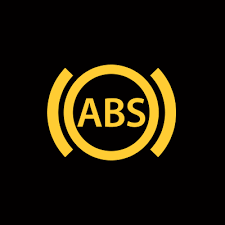
What I’ve Seen About ABS Lights and What Causes Them – From Your Service Director at NewGen Chrysler Dodge Jeep Ram of Clinton
Hello, I’m Sean Wilson, Service Director here at NewGen Chrysler Dodge Jeep Ram of Clinton. With over a year of hands-on experience working with ABS systems and brake components, I want to share my insights on one of the most common questions we get in our service bays: “Why does my ABS light come on?” If you’ve been driving around Tecumseh, Bridgewater, or Milan and noticed that little warning light flicker on your dashboard, this is for you. I’ll walk you through what usually triggers that light, why it matters, and what you can do about it to keep your family safe and your vehicle running like new.
Before diving in, if you’re wondering how your current vehicle stacks up or considering an upgrade to a rugged Jeep Wrangler or a powerful RAM 1500 ready for weekend adventures around Chelsea or Tipton, don’t forget to check out our Get your trade value or an offer to purchase tool. It’s a great first step whether you’re selling or trading in.
If you’re already seeing that ABS light, or just want to keep things in check, give us a call at (517) 456-6555 or stop by our dealership conveniently located at 1111 W Michigan Ave, Clinton, MI 49236. We’re here to help with expert advice and service tailored to your busy life.
Let me share what I know about the most common reasons your ABS light might come on and how it affects your vehicle’s performance and safety.
Why Does the ABS Light Come On in the First Place?
Most drivers don’t realize how much technology goes into the anti-lock braking system, or ABS. Its job is to prevent your wheels from locking during hard braking, giving you better control on slippery roads—something every driver in Norvell or Manchester needs during Michigan’s unpredictable weather. The ABS light warns you when the system detects an issue it can’t correct itself.
The ABS system relies heavily on input from wheel speed sensors that monitor how fast each tire is spinning. When one sensor reports an unexpected speed or stops sending data, the system flags that with the ABS light. Beyond that, a range of issues can cause the light to come on, and understanding those can save you from bigger problems.
Based on my experience servicing vehicles from Jackson to Adrian, here are the most common triggers:
- Faulty or dirty wheel speed sensors
- Malfunctioning ABS control module
- Low brake fluid levels
- Worn brake pads
- Issues with ABS relays or wiring
- Physical damage to tone rings or eccentric rings
Each of these problems affects your ABS differently, but all warrant prompt attention to keep your brakes working reliably.
How Low Brake Fluid Can Trigger the ABS Light
This is one issue I see frequently, especially with customers coming in from Jerome, Napoleon, or Cement City. The brake fluid reservoir has a sensor that keeps an eye on fluid level, and when it drops below a safe threshold, it triggers the ABS warning on your dashboard.
Low brake fluid often signals more than just a simple top-up need. It can indicate leaks somewhere in the brake lines or calipers, or that your brake pads have worn down enough to cause the pistons to extend further, reducing fluid volume. This compromises braking pressure, making the pedal feel soft or “spongy,” which is a dangerous situation if left unchecked.
It’s important not to ignore this light—just topping off the fluid won’t fix the root cause. We recommend having a skilled technician inspect the system at our Service Department. We’ll identify leaks, check the brake lines, and bleed any air from the system to restore proper pedal feel and braking power.
While your brakes might still seem to work fine with low fluid, the ABS system's ability to function correctly is compromised. This means if you’re driving through Manchester or Brooklyn and need to brake hard suddenly, your ABS might not prevent wheel lock, increasing the risk of a skid.
Telling Which ABS Sensor Is Failing
One of the trickier diagnostics involves figuring out which wheel speed sensor is causing trouble. Each wheel has a sensor that feeds information to the ABS module. Faulty sensors are the top reason we see ABS lights come on here at NewGen CDJR, especially for Jeep and RAM owners who take their vehicles off the beaten path near Saline or Addison.
We use an OBD2 scanner to pull diagnostic trouble codes (DTCs) from the ABS module. This identifies the problematic sensor, such as the front left or rear right wheel. Additionally, monitoring live sensor data while driving can reveal sensors that give erratic signals or no readings at all.
Physically, the sensors and their wiring can be inspected for damage or contamination. Dirt or rust on the tone ring adjacent to the sensor can interfere with signals, which is common in areas like Manitou Beach or Coldwater, where salt and mud buildup happens regularly.
A multimeter test helps confirm sensor condition, measuring resistance to ensure it falls within manufacturer specs. If readings are off or inconsistent, it’s a clear sign the sensor needs replacement. We stock genuine parts at our Mopar Parts Center to ensure quality and fit for your vehicle.
Why ABS and Brake Lights Can Both Be On While Brakes Still Work
It’s not uncommon to see customers from Chelsea or Tecumseh wonder why both the ABS and brake lights are illuminated even though their brakes feel fine. In many cases, this points to issues with the ABS system itself rather than your primary braking hardware.
Common culprits include a failing ABS module or damaged sensors that cause false alerts. Sometimes wiring faults or corroded connectors can confuse the system. While your regular brakes handle the job, the ABS features like traction control or hill assist might be disabled, reducing safety on tricky surfaces.
It’s critical to get these warnings checked to maintain full brake system health. We recommend scheduling a diagnostic appointment with us so our technicians can dive deep into your ABS system and fix the root cause.
Can Tire Pressure Affect ABS Performance?
Many drivers don’t realize how closely related tire pressure is to ABS operation, especially around communities like Clinton, Milan, or Bridgewater where varied road conditions test vehicle handling.
ABS works by monitoring wheel rotation speeds to prevent lockup. If tires are underinflated, they have less grip and a different rolling radius, which can confuse the wheel speed sensors. Underinflated tires reduce the friction between tire and road, limiting ABS’s ability to modulate brake pressure effectively. This can cause longer stopping distances and less precise steering control during emergency braking.
That’s why it’s crucial to keep your tires inflated to the manufacturer’s recommended pressure. Most modern vehicles come equipped with Tire Pressure Monitoring Systems (TPMS) that alert you when pressure drops. If you see your TPMS warning light, especially after driving through areas like Dundee or Britton where road conditions fluctuate, it’s best to check your tires promptly.
Maintaining proper tire pressure is a simple step that supports your ABS and overall vehicle safety. Our technicians can inspect your tire condition and pressure during your next visit; you can Schedule Service online for convenience.
Could a Low Battery Cause the ABS Light to Come On?
The ABS system is electronically controlled and requires a steady supply of power to operate correctly. I often see cases where a weak or failing battery, especially in colder months common around Clarklake or Britton, triggers the ABS light alongside other warning lights.
A drop in voltage affects the ABS control module’s function, causing it to malfunction and illuminate the warning light. This can happen alongside battery or alternator warnings. Sometimes, electrical fluctuations during sharp turns or heavy accessory use strain the system, triggering the ABS alert.
If you suspect battery or charging issues, we recommend having your battery and alternator tested. Many auto parts stores offer free testing, but for expert diagnosis and genuine Mopar battery replacements, visit our Service Department.
Why Choose NewGen Chrysler Dodge Jeep Ram of Clinton?
Living and working in Clinton and the surrounding areas like Napoleon and Cement City, we understand Michigan’s roads and weather. Our team is proud to offer a wide selection of new and used Chrysler, Dodge, Jeep, and Ram vehicles that are built tough for local adventures and family journeys. Whether you want a RAM 1500 with impressive towing capacity or a Jeep Wrangler with legendary off-road capability, we promise a car buying experience that’s fun, informative, and fair.
We offer transparent pricing, a friendly sales staff, and finance experts who work with multiple lenders to find terms that fit your budget. For those facing credit challenges, we encourage you to give us a try. Plus, whether you’re buying, selling, or trading, we’ll buy your car with no purchase required. Check out our Value Your Trade tool anytime to see what your vehicle is worth.
If you already own one of our vehicles, you can trust our certified technicians to provide honest, timely service using genuine Mopar parts. We know your time is valuable, so scheduling your maintenance or repairs is easy online through our Schedule Service page. From quick oil changes to full ABS system inspections, we’ll keep your vehicle running strong for your daily commute or weekend trips around Addison and Saline.
If you’re interested in upgrading your ride, consider checking out models like the New Dodge Durango RT Plus AWD or the Laramie Crew Cab 4X4 RAM 1500 for power and capability that fit Michigan lifestyles perfectly.
For more tips and insights about vehicle maintenance and the latest models, visit our Blog. We’re committed to supporting our Clinton community with transparency, expertise, and the kind of service that keeps you coming back.