
Why Regular Tire Rotation Is Essential for Vehicle Maintenance
Maintaining your vehicle’s tires through regular rotation is a critical step in safeguarding both safety and longevity on the road. Tires experience uneven wear patterns due to differences in weight distribution, braking forces, and steering loads, particularly for vehicles driven in areas like Clinton, MI, and surrounding communities such as Lima Township and Chelsea. Without scheduled tire rotation, certain tires wear down faster, which can compromise traction, handling, and overall vehicle stability during daily drives or weekend adventures.
Tire rotation involves systematically moving tires from one position to another—typically front to back and side to side—to equalize tread wear. This process ensures that all tires wear evenly over time, extending their usable lifespan and preventing premature replacements. For example, front tires on front-wheel-drive vehicles endure more stress from steering and braking, causing faster wear compared to rear tires. Without rotation, uneven tread depth may increase the risk of hydroplaning on rainy roads common in Michigan or reduce grip on icy winter streets.
Beyond enhancing safety, regular tire rotation contributes to a smoother and quieter ride. Uneven tread wear often leads to vibrations and noise, which can detract from driving comfort during commutes through Jackson or weekend trips to Monroe. Balanced tire wear also supports consistent handling, improving the vehicle’s responsiveness and driver confidence. This is particularly important for RAM and Jeep owners who rely on their vehicles for both rugged work tasks and family outings.
Another vital benefit of tire rotation is its positive effect on fuel efficiency. Tires with uneven wear create additional rolling resistance, forcing the engine to work harder and consume more fuel. By maintaining even tread wear, you reduce this resistance, helping your vehicle operate more efficiently and potentially saving fuel on longer drives between Clinton and nearby towns like Napoleon or Michigan Center.
Scheduling tire rotations alongside routine maintenance, such as oil changes or brake inspections, is a smart practice. Certified technicians at NewGen Chrysler Dodge Jeep Ram of Clinton use genuine Mopar parts and expert procedures to perform rotations tailored to your vehicle’s drivetrain and tire type. This service helps preserve the value and reliability of your Chrysler, Dodge, Jeep, or RAM while supporting your safety and comfort.
If you’ve been putting off tire care or want to learn more about maintaining your vehicle’s performance, we encourage you to Schedule Your Service Today at NewGen CDJR. Our team is committed to transparent, trustworthy maintenance that respects your time and budget. Plus, we will buy your car NO purchase required! Experience service that prioritizes honesty and quality at every step. For directions to our service center, visit Get Directions to NewGen Chrysler Dodge Jeep Ram of Clinton or call us directly at (517) 456-6555 for assistance.
Table of Contents
- Understanding the Standard Tire Rotation Patterns for 2026 Vehicles
- Special Considerations for Front-Wheel Drive and All-Wheel Drive Tire Rotations
- Integrating Full-Size Spare Tires and TPMS Resetting in Your Tire Rotation Routine
- How Tire Rotation Impacts Fuel Efficiency and Overall Vehicle Performance
Understanding the Standard Tire Rotation Patterns for 2026 Vehicles
Tire rotation remains a fundamental maintenance task for 2026 vehicles, crucial for ensuring even tire wear and extending tire life. Vehicles today, including those frequently driven in Clinton and Lima Township, MI, often come equipped with various drivetrains and tire types, influencing the ideal rotation pattern. Understanding these patterns helps maintain consistent traction, improves ride comfort, and reduces uneven wear that can cause premature tire replacement.
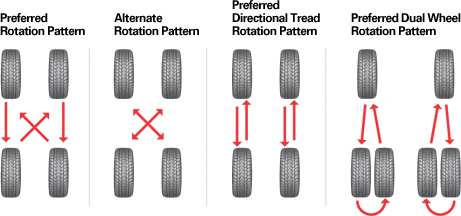
The most common tire rotation patterns for 2026 vehicles include the forward cross, rearward cross, and the X-pattern. The forward cross pattern is typically recommended for front-wheel drive vehicles, where the front tires are moved straight back and the rear tires cross to the front on opposite sides. This pattern addresses the heavier wear that front tires undergo due to steering and braking loads. Rear-wheel drive vehicles often use the rearward cross, where rear tires move straight to the front, and front tires cross to the rear opposite sides. The X-pattern involves crossing both front and rear tires diagonally and is often suitable for all-wheel drive or four-wheel drive vehicles with non-directional tires.
When performing these rotations, it’s important to consider tire specifics such as directional tread designs or staggered fitments, which may require a different approach or limit rotation options. For instance, directional tires must remain on the same side of the vehicle to maintain proper tread orientation. Likewise, staggered setups—where front and rear tires differ in size—may restrict rotation to side-to-side swaps only.
Routine tire rotation not only promotes even tread wear but also contributes to maintaining reliable handling and enhanced safety, especially on Michigan roads that test traction in varying seasonal conditions. For vehicle owners in areas like Michigan Center and Napoleon, regular rotations help preserve tire integrity and protect the investment in quality tires.
For professional tire rotation and genuine replacement parts, consider scheduling service with certified technicians who use OEM parts to ensure optimal performance and longevity. You can also order genuine parts directly to maintain your vehicle’s quality. Taking proactive steps with tire maintenance supports safer driving and helps avoid unexpected tire wear-related repairs.
Special Considerations for Front-Wheel Drive and All-Wheel Drive Tire Rotations
Tire rotation practices must be tailored to the specific drivetrain of your vehicle to maintain balanced wear and preserve performance, especially for front-wheel drive (FWD) and all-wheel drive (AWD) systems common in Michigan’s diverse driving conditions. Understanding these differences helps extend tire life and protects drivetrain components, vital for reliable and safe driving around Clinton, Lima Township, and Chelsea.
For front-wheel drive vehicles, the front tires handle both steering and power delivery, causing them to wear more rapidly than the rear tires. Due to this uneven wear pattern, the rotation strategy typically involves moving the front tires straight back to the rear axle, while the rear tires cross diagonally to the front on opposite sides. This forward cross rotation promotes even tread wear and helps avoid premature replacement, which is crucial for drivers regularly commuting in Jackson or Napoleon. Without this rotation, the front tires may degrade faster, impacting traction and increasing the risk of uneven handling or blowouts.
All-wheel drive vehicles require special attention because all four tires must maintain similar tread depths to prevent stress on the drivetrain’s differential and transfer case. Uneven tire wear can cause mechanical strain, leading to costly repairs if not addressed promptly. The common rotation pattern for AWD vehicles is a rearward cross or an X-pattern, depending on tire type and manufacturer recommendations. In many cases, the rear tires move straight to the front, while front tires cross to the rear. This approach ensures that tire wear is balanced across all wheels, helping maintain the AWD system’s integrity—important for those navigating around Michigan Center or Hudson, where varied road conditions challenge vehicle stability.
Incorporating these rotation patterns into your scheduled maintenance helps protect your vehicle’s drivetrain and maximizes tire lifespan. Certified technicians at NewGen Chrysler Dodge Jeep Ram of Clinton can assess your vehicle’s drivetrain and recommend the appropriate rotation method. Using genuine replacement parts from our Mopar Parts Center ensures quality and compatibility. Plus, be sure to check our View All Current Specials for service offers that make maintaining your tires affordable.
Remember, we will buy your car NO purchase required! Keeping your tires rotated properly not only supports vehicle performance but also helps maintain your vehicle’s safety and fuel efficiency on Michigan roads. For more information on our vehicle lineup, Explore Current Models today.
Integrating Full-Size Spare Tires and TPMS Resetting in Your Tire Rotation Routine
Incorporating a full-size spare tire into your vehicle’s rotation schedule is an often-overlooked service step that can significantly extend the life of all your tires. Unlike compact or temporary spares, full-size spares match the original tires in size and tread, allowing them to be rotated with the others to promote uniform wear. This is especially beneficial for drivers in areas like Lima Township or Chelsea, where diverse road conditions demand consistent tire performance. Including the spare in your rotation pattern typically involves moving it into the rear or front tire position, depending on your drivetrain, to balance the tread wear across all five tires.
Additionally, modern vehicles equipped with Tire Pressure Monitoring Systems (TPMS) require attention during tire rotation. After repositioning tires, it’s essential to reset or recalibrate the TPMS to ensure it accurately monitors each tire’s pressure. Failure to reset the system can lead to false warnings or missed alerts, impacting safety and fuel efficiency, critical for drivers commuting in Jackson or Michigan Center. Reset procedures vary by make and model but often involve using the vehicle’s onboard controls or a diagnostic tool. Certified technicians at NewGen Chrysler Dodge Jeep Ram of Clinton are trained to perform this reset quickly and correctly, preserving your vehicle’s safety features and compliance with manufacturer recommendations.
For optimal tire longevity and vehicle safety, schedule your tire rotation and TPMS reset with our expert service team. Take advantage of our current service specials to maintain your vehicle’s performance while protecting your investment. You can also view finance specials or check Ram incentives to find additional ways to save on your vehicle maintenance and upgrades.
How Tire Rotation Impacts Fuel Efficiency and Overall Vehicle Performance
Regular tire rotation plays a crucial role in maintaining your vehicle’s fuel economy and handling. As tires wear unevenly, they can create increased rolling resistance, meaning your engine must work harder to move the vehicle. This extra effort leads to higher fuel consumption, especially on Michigan’s varied roads around Clinton and Lima Township. Rotating tires evenly distributes wear, reducing this resistance and helping your vehicle operate more efficiently.
Uneven tire wear also affects traction and handling, potentially causing vibrations or instability during cornering and braking. Proper rotation ensures consistent tire performance, promoting smoother steering response and better grip in wet or slippery conditions common in Chelsea and Michigan Center. This not only enhances your driving comfort but also supports safer journeys with improved vehicle control.
Maintaining balanced tire wear is part of comprehensive vehicle care. For expert tire rotation services that prioritize your vehicle’s performance and fuel efficiency, schedule your appointment at NewGen Chrysler Dodge Jeep Ram of Clinton. Our certified technicians use genuine parts for reliable maintenance. For directions to our service center, visit Get Directions to NewGen Chrysler Dodge Jeep Ram of Clinton or (517) 456-6555 to schedule your service today. Also, check out our View Parts Specials for great deals on genuine parts.
© 2026 NewGen Chrysler Dodge Jeep Ram of Clinton. All rights reserved.