

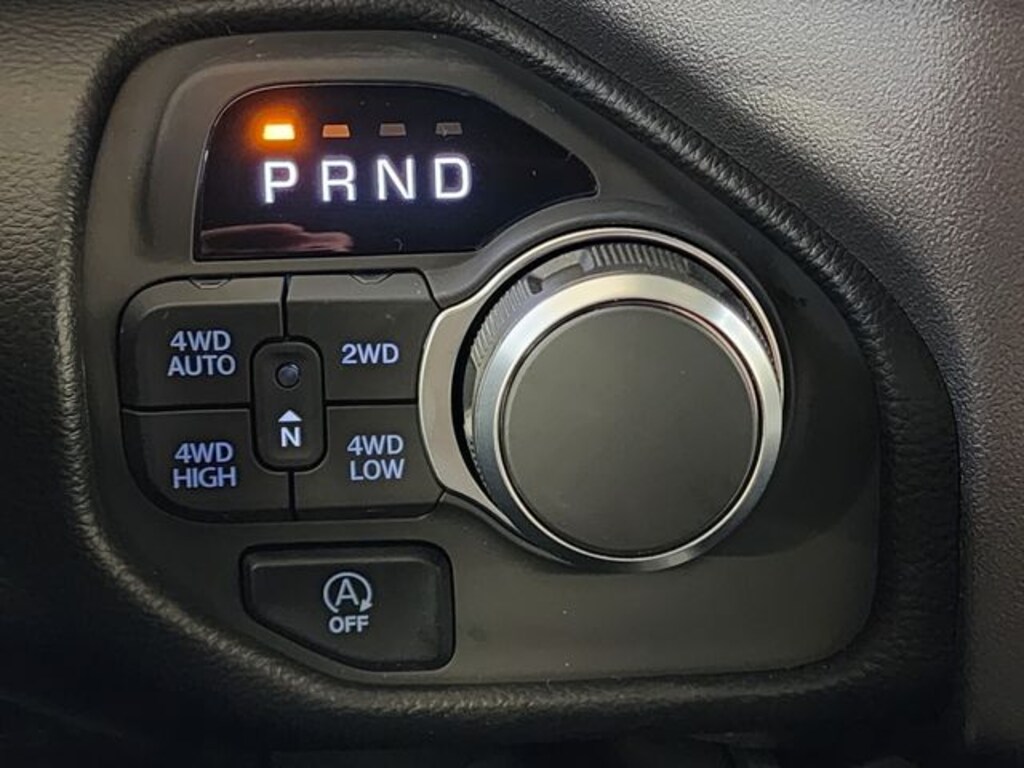
Today, we're joined by Vincent Nowatzke, a seasoned Sales Consultant at NewGen Chrysler Dodge Jeep Ram of Clinton with three years of hands-on experience in the automotive field. Vincent brings a wealth of knowledge about drivetrain technologies, especially the nuances of four-wheel drive (4WD) systems. Given the diverse driving conditions in Clinton, MI, and surrounding communities like Wheatland and Cadmus, understanding the distinctions between 4WD High, Low, and Auto modes is crucial for drivers who demand both safety and performance from their vehicles. In this discussion, Vincent unpacks these modes, helping drivers make the most of their 4WD-equipped vehicles whether tackling rural roads or weekend adventures.
Vincent, could you explain the fundamental differences between 4WD High, 4WD Low, and 4WD Auto modes and why each matters for Michigan drivers?
A: Absolutely. The three 4WD modes offer drivers varying levels of traction control and power delivery tailored to different driving environments. Starting with 4WD High, this mode locks the front and rear axles together, sending power equally to all wheels. It’s ideal for slippery conditions like snow-covered roads, mud, or gravel where you still want to maintain normal driving speeds. Think of it as your go-to when winter weather hits the pavement around Clinton or during a muddy trek near Wheatland. It provides increased stability without sacrificing speed.
Moving to 4WD Low, this is designed for more extreme conditions requiring maximum torque at low speeds. When engaged, the system uses lower gear ratios to multiply engine torque, which helps when climbing steep hills, navigating deep snow, or crawling over tough off-road obstacles. This mode is perfect for rugged backcountry roads near Cadmus or when hauling heavy loads through challenging terrain. However, it’s important to use 4WD Low only at slow speeds—typically under 15 mph—to prevent drivetrain damage and ensure safety.
Then there’s 4WD Auto, which offers a more hands-off approach. Unlike the manual 4WD High and Low modes, Auto mode automatically monitors wheel slip and distributes power to the wheels as needed. This system is excellent for drivers who want the benefits of 4WD without constantly switching modes. For example, when commuting around Clinton on roads that transition between dry pavement and patches of ice, 4WD Auto adapts seamlessly, providing traction only when necessary to conserve fuel and reduce wear.
Each mode serves a distinct purpose, and knowing when to engage them ensures your vehicle performs efficiently and safely. Many customers in Clinton appreciate how these options adapt to Michigan’s varied seasons—whether navigating suburban streets or exploring off-road trails. The RAM 1500, for instance, with its 4WD system, delivers up to 12,750 lbs of towing capacity while offering selectable drive modes that suit both work and weekend adventures.
Understanding these modes also helps protect your vehicle’s drivetrain from unnecessary stress. Using 4WD Low on dry roads or at high speeds could cause damage, while relying solely on 2WD in slippery conditions can compromise safety. It's about matching the mode to the environment for optimal control.
At NewGen Chrysler Dodge Jeep Ram of Clinton, we emphasize educating our customers on these drivetrain features to enhance their driving confidence. Our team is always ready to demonstrate how these modes function and help you select a vehicle equipped with the right 4WD system for your needs. Remember, our dealership prides itself on a transparent, pressure-free buying experience backed by flexible financing options tailored to your budget. Plus, if you have a vehicle to trade, we will buy your car with no purchase required, making upgrading easier than ever.
If you want to experience firsthand how 4WD High, Low, and Auto impact your driving, we encourage you to browse our new inventory or schedule a test drive. For those already owning a 4WD-equipped vehicle, our service department is here to keep it running strong. You can Schedule Your Service Today with our certified technicians who use genuine parts to ensure durability and reliability.
Table of Contents
- How 4WD Auto Operates Compared to 4WD High in Everyday Driving
- Why 4WD Outperforms AWD in Off-Road and Challenging Conditions
- Common Mistakes: Driving in 4WD High on Dry Pavement and Its Effects
- Optimizing Your Vehicle’s Performance: When to Use Auto, 2H, or 4WD Modes Daily
- Maintaining Your 4WD System: Costs, Tire Wear, and Service Tips from NewGen Chrysler Dodge Jeep Ram of Clinton
How does 4WD Auto operate differently from 4WD High in everyday driving?
That’s an excellent question, especially for drivers navigating the varied Michigan roads around Clinton and nearby rural areas. The key difference between 4WD Auto and 4WD High lies in how the system manages power distribution and driver involvement during everyday driving conditions.
4WD Auto is designed to provide convenience and adaptability. In this mode, the vehicle’s drivetrain automatically monitors traction and wheel slip, engaging all four wheels only when needed. This means that under normal dry or mildly slippery conditions, the vehicle primarily operates in two-wheel drive to preserve fuel efficiency and reduce drivetrain wear. When sensors detect a loss of traction—like on wet roads, light snow, or loose gravel—the system instantly sends torque to the wheels that need it most, enhancing stability and control without driver intervention.
On the other hand, 4WD High locks the front and rear driveshafts together, powering all four wheels continuously. This mode is best suited for consistent low-traction environments such as snow-covered backroads, muddy farm lanes, or gravel routes common in rural places like Wheatland or Cadmus. However, because 4WD High mechanically links the axles, it should be used thoughtfully—especially on dry pavement—to avoid drivetrain binding and excessive tire wear. Unlike 4WD Auto, 4WD High does not modulate power distribution based on traction; it simply powers all wheels equally.
For everyday commuting around Clinton or when traversing occasional slippery patches, 4WD Auto offers a balanced approach. It maintains fuel economy and reduces wear while still being ready to engage four-wheel traction when conditions demand it. Meanwhile, if you’re tackling a longer stretch of rough terrain or consistently slick surfaces, shifting to 4WD High ensures all wheels are actively driven for maximum grip and stability.
It’s worth noting that both systems rely on robust components. Keeping your drivetrain in top shape is vital, so for any maintenance or parts replacement, visit our Mopar Parts Center or schedule service with our expert technicians. If you’re considering upgrading or buying a vehicle equipped with these features, feel free to browse our used inventory or explore financing options tailored to your needs.
Why does 4WD offer superior performance over AWD in off-road and challenging driving situations?
A: That's an insightful question, especially for drivers who frequently navigate rugged terrain or unpredictable conditions. The key advantage of four-wheel drive (4WD) systems over all-wheel drive (AWD) lies in their design and purpose-built capabilities tailored for off-road and challenging environments.
Unlike AWD, which is engineered primarily for on-road stability and traction by automatically distributing power between the front and rear wheels, 4WD systems typically include selectable modes such as high range (4H), low range (4L), and sometimes an automatic setting. This gives drivers greater control over power delivery and torque management, which is crucial when traversing obstacles like steep inclines, loose gravel, deep mud, or snow-covered trails common in rural Michigan areas such as Hudson or Wheatland.
One major benefit of 4WD is its ability to lock the front and rear axles together, ensuring that power is evenly sent to all four wheels regardless of traction differences. This mechanical locking prevents wheel slip in extreme conditions, a feature often absent or limited in AWD systems. Additionally, the low-range mode in 4WD delivers increased torque at reduced speeds, allowing precise control when crawling over rocks or climbing steep slopes. This feature is a game-changer for outdoor enthusiasts exploring off-road trails near Cadmus or agricultural work in surrounding rural communities.
In contrast, AWD systems rely on sensors and computer algorithms to detect wheel slip and adjust power accordingly. While this offers excellent performance on wet roads and light snow, it may not react quickly or forcefully enough in severe off-road conditions. AWD vehicles typically lack the rugged drivetrain components and ground clearance found in 4WD trucks and SUVs, such as those in our Ram lineup, which are built tough for Michigan roads and weekend adventures.
Furthermore, 4WD systems often come with reinforced suspensions and skid plates, protecting vital components against rough terrain damage. This durability factor makes 4WD-equipped vehicles like the Jeep Wrangler or Ram 1500 ideal for customers seeking reliable, rugged performance in the outdoors or on farms where dependable traction is essential.
If you’re considering a vehicle built for these demanding tasks, we invite you to explore our New Dodge Durango RT Plus AWD inventory or other 4WD models. Our knowledgeable team at NewGen Chrysler Dodge Jeep Ram of Clinton is ready to guide you through options that match your lifestyle and budget. Plus, our finance experts can help you get started with Get Pre-Approved for Financing so you can drive home the right vehicle with confidence.
What problems can arise from driving in 4WD High on dry pavement, and why should it be avoided?
A common mistake among drivers new to four-wheel drive systems is engaging 4WD High while driving on dry, paved roads. This setting is designed to lock the front and rear axles together, forcing them to rotate at the same speed. While this is beneficial on low-traction surfaces like mud, snow, or gravel, it creates significant mechanical stress on dry pavement, where the wheels naturally need to spin at different speeds during turns.
When 4WD High is used on dry roads, the drivetrain experiences what is called "driveline binding." This occurs because the front and rear wheels cannot rotate freely at their required different speeds during cornering. Drivers typically notice this as an unsettling shudder or clunking noise, often accompanied by tire chirping or hopping. Over time, this binding can cause accelerated wear on vital components such as the transfer case, differentials, and axle shafts. It also puts undue strain on the drivetrain, potentially leading to costly repairs.
In addition to mechanical wear, driving in 4WD High on dry pavement can affect vehicle handling. Because the drivetrain is locked, the vehicle may feel harder to steer, especially during tight turns, which can reduce overall driving safety. Tires may also wear unevenly due to the forced rotation, shortening their lifespan and increasing replacement frequency.
To maintain the longevity and performance of your 4WD system, it's essential to switch to two-wheel drive or the Auto mode when driving on dry, paved surfaces. This allows the drivetrain to operate normally, with the front and rear axles rotating independently as needed. If you need replacement parts due to wear or damage, you can easily order genuine parts from our dealership to keep your vehicle running smoothly.
If you’re considering trading in your current vehicle or upgrading to a 4WD model better suited to your driving needs, we invite you to get your trade value or an offer to purchase today. Properly understanding and using your 4WD system not only protects your investment but also ensures safe and confident driving, whether you’re navigating the rural roads around Hudson, MI or Wheatland, MI.
How can drivers optimize their vehicle’s performance by choosing between Auto, 2H, and 4WD modes for daily use?
That’s a great question, especially for drivers navigating the varied road conditions around Clinton, MI, and nearby rural areas like Cadmus and Clayton. Understanding when to use the different drive modes in your vehicle can significantly improve performance, fuel efficiency, and safety. Each mode—Auto, 2H (two-wheel drive high), and 4WD (four-wheel drive)—serves distinct purposes tailored to specific driving environments.
Starting with 2H mode, this setting directs power solely to the rear wheels, making it ideal for everyday driving on dry, paved roads such as highways or well-maintained country roads near Wheatland. Because only two wheels are engaged, 2H maximizes fuel economy and reduces unnecessary wear on the drivetrain components. For most daily commutes and routine errands, 2H is the most efficient choice.
Next, 4WD Auto mode offers a balanced, adaptive approach. In this setting, your vehicle primarily operates in 2H but automatically engages the front wheels when sensors detect slip or low traction conditions. This is particularly beneficial during Michigan’s unpredictable winters or on wet, gravel roads common in rural settings like Cadmus. It provides added security and stability without the driver needing to manually switch modes. Vehicles equipped with this feature seamlessly transition between two- and four-wheel drive, delivering traction only when necessary, which helps preserve fuel economy and driveline longevity.
Finally, 4WD High mode locks power to all four wheels continuously, offering maximum traction and control on slippery or uneven terrain. It’s the preferred setting when driving on snow-covered lanes, muddy paths, or unpaved backroads around Clayton or Cadmus. However, this mode isn’t recommended for dry pavement as it can cause drivetrain binding and premature tire wear.
Drivers in the Clinton area who want to experience the capabilities of 4WD vehicles can explore our extensive selection by visiting our Browse New Inventory or check out Shop Used Vehicle Specials. Be sure to also explore our Shop New Vehicle Specials for the latest deals. And if you’re ready to upgrade, our finance team is available to help you explore flexible options tailored to your budget through financing solutions. Remember, if you’re curious how much your current vehicle is worth, you can get your trade value or an offer to purchase with no obligation—our team is committed to helping you find the best fit for your needs.
How can I best maintain my 4WD system to manage costs and tire wear while keeping it reliable?
Maintaining your vehicle’s 4WD system is essential to ensure its durability and to avoid unnecessary expenses, especially given Michigan’s diverse road conditions. At NewGen Chrysler Dodge Jeep Ram of Clinton, we emphasize that proper upkeep not only extends your vehicle’s lifespan but also enhances safety and performance whether you’re tackling rural terrain near Cadmus, MI or cruising through suburban Clinton, MI.
One of the key maintenance considerations is understanding that 4WD systems, particularly those with high, low, and auto modes, have more moving parts and drivetrain complexity than standard 2WD vehicles. This can translate to slightly higher maintenance costs over time. Components such as the transfer case, differentials, and drive shafts require regular inspection and servicing to avoid costly repairs. Our certified technicians use genuine Mopar parts to ensure replacements and repairs maintain factory standards, which keeps your 4WD system running smoothly and reliably.
Tire wear is another factor to watch closely. Engaging 4WD modes incorrectly, like driving in 4WD High on dry pavement, can accelerate uneven tire wear due to the drivetrain binding. This is because the front and rear axles are locked to rotate at the same speed, which conflicts with the natural difference in wheel rotation during turns on dry surfaces. To prevent premature tire wear and drivetrain strain, it’s best to use 4WD High only on low-traction surfaces like snow, mud, or gravel. Regular tire rotation and alignment checks at our service center near Wheatland, MI are highly recommended to maintain even tread wear and prolong tire life.
Routine fluid changes for your transfer case and differentials are vital in protecting your 4WD system’s internal components. These fluids lubricate and cool the moving parts, preventing overheating and premature wear. Our service department offers convenient scheduling options to help keep your vehicle on track with these essential maintenance tasks. You can easily Schedule Your Service Today to keep your 4WD system in peak condition with help from our expert technicians.
At NewGen Chrysler Dodge Jeep Ram of Clinton, we understand that cost is a concern for many drivers. That’s why we provide transparent pricing and competitive service specials to help you maintain your vehicle affordably without sacrificing quality. Whether you need a quick inspection, fluid replacement, or more extensive repairs, our friendly staff is here to assist you every step of the way. Don’t forget to check our View Service Specials for current offers that can make maintenance easier on your wallet.
Remember, well-maintained 4WD systems not only perform better but also retain their value longer. If you’re considering an upgrade or trade, we encourage you to Get your trade value or an offer to purchase with no obligation.
© 2026 NewGen Chrysler Dodge Jeep Ram of Clinton. All rights reserved.