

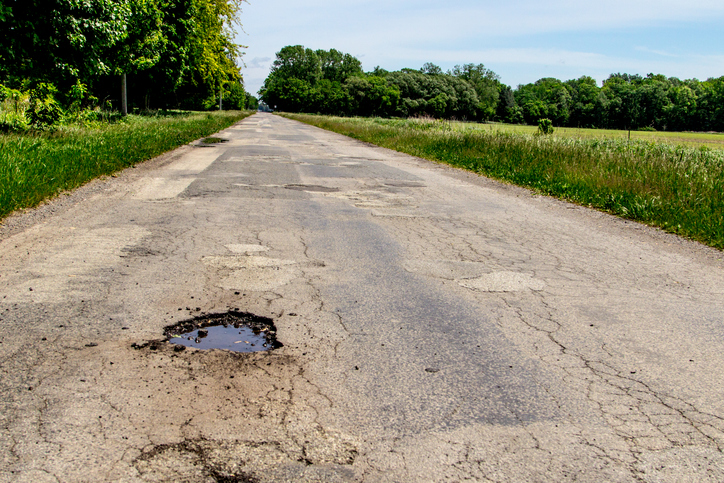
How Potholes Impact Your Vehicle: Key Risks and Real-World Examples
Potholes are an unfortunate but common challenge for drivers navigating Michigan’s roads, especially during spring thaw and after heavy rains. These road imperfections may seem like minor inconveniences, but their impact on your vehicle can be significant and costly. At NewGen Chrysler Dodge Jeep Ram of Clinton, we understand how potholes affect your car’s performance, safety, and longevity, and we want to help you recognize the risks and protect your investment.
Driving through a pothole can cause immediate mechanical damage or create issues that worsen over time. The severity depends on factors like the pothole’s depth and width, your vehicle’s speed upon impact, and the type of tires and suspension system your vehicle has. For example, hitting a deep pothole at highway speeds on the uneven rural roads around Addison can result in sudden tire blowouts or bent rims, while a slower impact in more urban areas like Milan might primarily cause suspension alignment problems.
One of the most frequent consequences of pothole damage is compromised suspension components. These parts, including control arms, struts, and shocks, absorb road imperfections and help maintain vehicle stability. When damaged, you might notice a rougher ride, pulling to one side, or uneven tire wear. For families commuting between Clinton and nearby communities such as Bridgewater, this can translate into reduced comfort and increased maintenance costs.
Similarly, tires and wheels bear the brunt of pothole impacts. Tires can suffer punctures, sidewall bulges, or tread separation, while wheels—especially those with low-profile tires—may crack or bend. These issues not only threaten your safety but may also lead to expensive replacements. The challenging roads near Cement City and Addison often see drivers facing these costly repairs, leading to time in the shop and unexpected expenses.
Undercarriage damage is another serious concern. Deep potholes can scrape or puncture critical parts beneath your vehicle, such as the oil pan or exhaust system. Damage to the oil pan, in particular, risks oil leaks that can cause engine failure if not addressed promptly. Drivers on uneven terrain around Clarklake should be especially cautious, as the mix of rural roads and natural obstacles increases the likelihood of such impacts.
Real-world stories from Michigan drivers highlight these risks. For instance, a local commuter reported a cracked wheel and suspension damage after hitting a large pothole on a back road near Addison. Another driver near Cement City experienced a slow leak from a tire bulge caused by repeated pothole encounters. These examples underscore the importance of vigilance and timely repairs to avoid further damage and costly replacements.
Understanding how potholes affect your vehicle is the first step in preventing extensive damage. Regular inspections and prompt attention to unusual noises, vibrations, or handling changes can protect your vehicle’s health and your family’ssafety on Michigan roads.
Table of Contents
- Identifying the Parts of Your Car Most Vulnerable to Pothole Damage
- Understanding the Consequences of Oil Pan Damage from Potholes
- Common Signs That Indicate Your Vehicle Has Pothole Damage
- Smart Driving Strategies to Minimize Pothole Damage in Clinton and Surrounding Areas
- What to Do When Pothole Damage Occurs: Insurance, Repairs, and Reporting
Identifying the Parts of Your Car Most Vulnerable to Pothole Damage
Potholes create sudden impacts that can cause damage to several critical components of your vehicle. Understanding which parts are most susceptible helps you recognize problems early and maintain safety on the roads around Addison and Cement City. The most commonly affected areas include tires, wheels, suspension, steering system, and the undercarriage.
Tires and wheels bear the brunt of pothole strikes. The sudden jolt can cause tire punctures, sidewall bulges, or even blowouts. Low-profile tires, which have less cushioning, are especially prone to rim bending or cracking. This damage not only compromises tire integrity but can also cause air leaks and affect your vehicle’s handling.
The suspension system, including struts, shocks, and springs, absorbs road impacts but can suffer from broken or bent parts after hitting a deep pothole. Damaged suspension reduces ride comfort, causes uneven tire wear, and can lead to alignment issues, which are common complaints from drivers in Clarklake and Bridgewater navigating rough rural roads.
Steering components, such as tie rods and ball joints, are also at risk. Impact can loosen or damage these parts, resulting in steering difficulties, vibrations, or pulling to one side. Early symptoms might be subtle but ignoring them can escalate safety hazards.
Finally, the undercarriage—including the exhaust system and oil pan—can be scraped or punctured by the sharp edges of a pothole. Damage here can cause leaks or mechanical failures that are often costly to repair.
Being aware of these vulnerable parts can help you address pothole damagepromptly to maintain your vehicle’s safety and performance.
Understanding the Consequences of Oil Pan Damage from Potholes
When a vehicle hits a deep pothole, one of the most vulnerable components is the oil pan, located beneath the engine. This thin metal or composite pan holds the engine oil essential for lubricating internal parts. A sudden impact with a pothole can cause dents, cracks, or even punctures in the oil pan, leading to oil leaks that jeopardize engine health.
Oil pan damage is particularly concerning because it often goes unnoticed until severe symptoms arise. Even a small puncture can cause a slow oil leak, reducing lubrication and increasing friction inside the engine. This can accelerate wear and lead to costly repairs or engine failure if left unaddressed. For drivers in areas like Addison or Cement City, where rural roads may have hidden potholes, this risk is especially high.
In severe cases, hitting a pothole might dislodge the oil pan or damage the oil drain plug, causing rapid oil loss and potentially stranding a driver. Prompt detection and repair are critical to preventing significant engine damage. Professional inspection at a trusted service center, such as NewGen Chrysler Dodge Jeep Ram of Clinton, ensures genuine parts and expert care to restore your vehicle’s reliability.
Understanding the risks of oil pan damage highlights the importance of cautious driving and regular vehicle checks after hitting potholes,especially for drivers commuting through areas like 1111 W Michigan Ave, Clinton, MI 49236.
Common Signs That Indicate Your Vehicle Has Pothole Damage
After driving over a pothole, it’s important to watch for warning signs that your vehicle may have sustained damage. One of the most noticeable symptoms is a sudden change in how your car handles. If your steering wheel vibrates or your vehicle pulls to one side, these could be signs of wheel misalignment caused by the impact. Additionally, inspect your tires carefully for any bulges, cuts, or sudden loss of air pressure, as potholes often cause tire damage that can lead to blowouts.
Unusual noises such as knocking or rattling when driving over bumps could indicate suspension or exhaust system issues. These sounds suggest components may have been loosened or damaged, potentially compromising your vehicle’s safety and comfort. Prompt inspection and professional assessment are critical to prevent minor pothole damage from turning into costly repairs.
Smart Driving Strategies to Minimize Pothole Damage in Clinton and Surrounding Areas
Driving on Michigan roads, especially in areas like Clinton, Addison, and Cement City, demands vigilant techniques to reduce the risk of pothole damage. One of the best strategies is to maintain a safe following distance, allowing you more time to spot and avoid potholes that may appear suddenly in rural or suburban streets.
Lowering your speed when navigating unfamiliar roads or during poor weather conditions like rain or snow improves your ability to react quickly. Slower speeds also lessen the force of impact if a pothole cannot be avoided, reducing damage to tires, rims, and suspension.
Regularly inspecting your tires and maintaining proper inflation ensures they can better absorb shocks from potholes, especially on routes around Bridgewater and Clarklake. Additionally, choosing routes known for better maintenance and avoiding roads with frequent potholes can be a practical approach to protect your vehicle.
By combining these driving habits, you’ll help safeguard your car and enjoy smoother rides across southeastern Michiganand surrounding communities, including Addison and Cement City.
What to Do When Pothole Damage Occurs: Insurance, Repairs, and Reporting
When your vehicle suffers from pothole damage, taking prompt and appropriate action is crucial to prevent further issues and costly repairs. First, inspect your car for visible damage such as bent rims, tire punctures, or unusual noises while driving. If you suspect significant harm, schedule a professional evaluation immediately to assess suspension, alignment, and undercarriage components.
Regarding insurance, coverage for pothole-related damage typically falls under comprehensive or collision policies, but this varies by provider and plan. It’s essential to contact your insurer quickly to understand your coverage and submit claims if eligible. Keep detailed records and photos of the damage to support your case.
Additionally, reporting potholes to local authorities helps improve road safety and prevents repeated incidents. Residents near Clinton and Addison can notify the Michigan Department of Transportation or county road commissions to prompt timely repairs. Addressing pothole damage with trusted service at NewGenChrysler Dodge Jeep Ram of Clinton at 1111 W Michigan Ave, Clinton, MI 49236 or call us at (517) 456-6555 to schedule service and get expert assistance.