

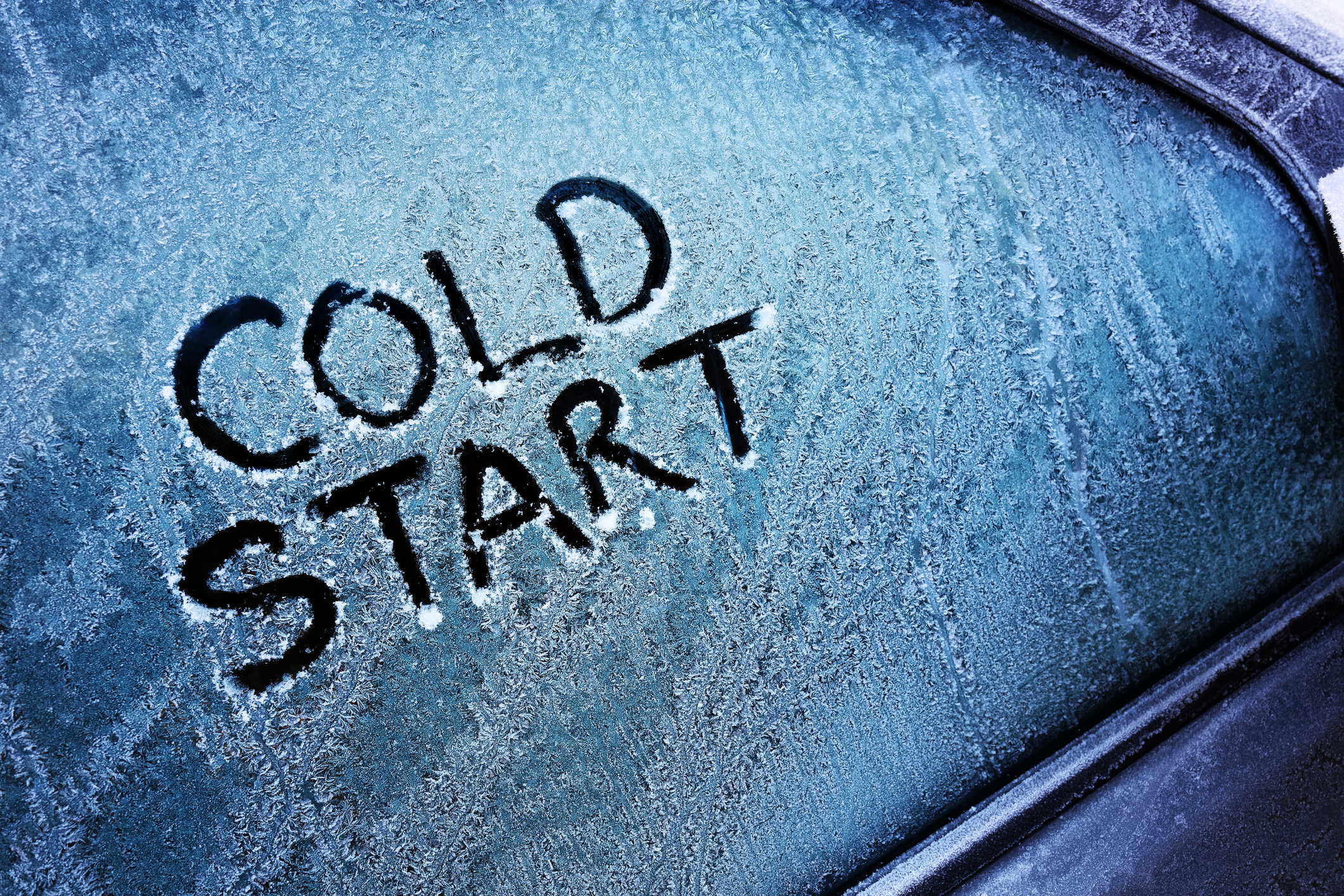
Should You Start Your Car When It's Very Cold? Expert Guidance for Michigan Drivers
Living in Clinton, MI, or nearby communities like Tecumseh, Manchester, and Addison means facing cold, harsh winters that put your vehicle's durability and performance to the test. One common question from drivers is whether they should start their car on extremely cold days, especially if they aren’t planning to drive it. At NewGen Chrysler Dodge Jeep Ram of Clinton, we understand Michigan winters and want to help you keep your vehicle running smoothly and safely. Whether you drive a rugged Jeep Wrangler for your outdoor adventures near Clarklake or a powerful Ram 1500 for work around Jackson, knowing how to care for your vehicle in freezing weather is essential.
If you have questions or want to discuss your vehicle’s cold-weather needs, call us anytime at (517) 456-6555 or visit us at 1111 W Michigan Ave, Clinton, MI 49236.
Table of Contents
- How Often Should You Start Your Car in Freezing Weather? — Understand the best practices for starting your car during cold spells and why it matters for battery health and engine longevity.
- Should You Start Your Car in Cold Weather If You Aren't Driving? — Explore when it’s necessary to start your vehicle even if you’re not going anywhere, and the impact on your car’s systems.
- How Long Can You Leave a Car Without Starting It in Cold Weather? — Learn the limits of vehicle inactivity in cold climates and how to prepare your car for extended periods without use.
- Does Cold Starting Damage Your Engine? — Discover the effects of cold starts on engine components and how modern vehicles mitigate risks.
- How Long Should You Let Your Engine Warm Up in Cold Weather? — Guidelines on warming up your engine efficiently without wasting fuel or causing unnecessary wear.
- Is It Bad to Run an Engine Too Cold? — Understand the consequences of an engine running below its optimal temperature and how to avoid it.
- Expert Tips for Cold Weather Vehicle Maintenance and Service in Clinton — How to keep your vehicle protected and ready for Michigan winters with professional service and recommended parts.
How Often Should You Start Your Car in Freezing Weather?
In cold Michigan towns like Brooklyn and Napoleon, maintaining your vehicle’s health during freezing temperatures is crucial, especially if the vehicle isn’t driven daily. Starting your car regularly helps keep the battery charged and engine components lubricated, preventing damage from long periods of inactivity.
Industry best practices suggest starting your car at least once every week or two during cold weather. This frequency ensures the battery receives enough charge to maintain power and keeps the oil circulating to protect vital engine parts. Starting the engine also warms up fluids, reducing the risk of mechanical parts seizing or becoming brittle due to cold. For example, drivers in Milan or Manchester who leave vehicles parked for work or weekend use should follow this routine to avoid unexpected breakdowns.
When starting your car, it's best to let it idle briefly—about 30 seconds to a minute—until the engine oil circulates properly. Then, take the vehicle for a short drive, ideally covering a few miles with gentle acceleration to bring the engine to its optimal operating temperature. This practice prevents moisture buildup and allows the exhaust system to warm fully, reducing corrosion risks.
Expert tips for Clinton drivers:
- Use a block heater or engine heater if you live in colder microclimates like Cement City to ease starting.
- Check tire pressure weekly, as cold air causes tires to lose pressure faster, affecting handling and safety.
- Avoid repeated short starts without driving, as idling alone does not warm the engine efficiently and wastes fuel.
At NewGen Chrysler Dodge Jeep Ram of Clinton, we recommend scheduling regular service appointments during the winter months to inspect your battery, fluids, and tires. Our certified technicians use genuine Mopar parts from the Mopar Parts Center to keep your vehicle reliable on Michigan’s roads.
Should You Start Your Car in Cold Weather If You Aren't Driving?
Many drivers in Britton and Norvell wonder if they should run their vehicle during cold spells when not planning to drive. The answer depends on the severity of the cold and the condition of your vehicle.
Starting your car unnecessarily in extreme cold can cause more harm than good. Running the engine briefly without driving allows water vapor to accumulate in the engine oil and exhaust system. This moisture can dilute lubricants and cause corrosion over time. Industry experts advise that if you do not need to drive, it’s better to let the car sit, especially during severe cold snaps like those common near Jackson and Saline.
However, if you anticipate freezing temperatures for several days, starting your vehicle once a week and driving gently for 15-30 minutes helps circulate fluids, recharge your battery, and evaporate moisture. It also prevents flat spots on tires by moving the vehicle and redistributing weight.
Local scenario: A Jeep Wrangler owner in Tecumseh who parks for days between weekend adventures should start and drive the vehicle weekly to maintain electrical systems and avoid battery drain.
Remember, modern vehicles’ batteries don’t lose significant power just by sitting, so frequent starts aren’t necessary unless the battery is weak or older. If you’re uncertain about your battery health or cold weather readiness, contact our service experts at NewGen CDJR Clinton for a professional check.
How Long Can You Leave a Car Without Starting It in Cold Weather?
In the colder regions around Clinton, Dundee, and Tipton, leaving a car unused for extended periods can lead to several issues, including battery drain, tire damage, and fluid degradation.
Generally, a car can sit unused for about two weeks without severe consequences if properly maintained. Beyond this, batteries risk discharging completely due to parasitic electrical draws from systems like alarms and onboard computers. Cold weather accelerates this process, as batteries lose capacity and struggle to deliver sufficient power to start the engine.
Tires left stationary for long periods can develop flat spots, especially if parked outdoors in areas like Bridgewater or Chelsea without repositioning. These flat spots lead to vibrations and premature tire wear when you do drive.
Fluids, including engine oil, coolant, and brake fluid, degrade over time and may become contaminated if the vehicle sits idle for too long. Condensation can build inside the engine and fuel system, causing corrosion and fuel quality loss.
Recommended actions for long-term parking:
- Use a battery maintainer or trickle charger to keep the battery charged.
- Inflate tires to the maximum recommended PSI and, if possible, move the vehicle periodically.
- Store the vehicle in a garage or use a high-quality cover to protect it from UV damage, bird droppings, and pests.
- Top off essential fluids and consider fuel stabilizers if parking for over a month.
For vehicles parked over winter in areas surrounding Milan or Adrian, these precautions help avoid costly repairs and keep your car ready for spring driving.
Does Cold Starting Damage Your Engine?
Cold starts in Michigan winters can stress your engine, but understanding the mechanics helps reduce risk.
When temperatures drop, engine oil thickens, reducing its ability to lubricate moving parts immediately after startup. This can increase friction and wear on components like pistons, cylinders, and bearings. Additionally, fuel mixtures tend to run richer during cold starts to warm the engine, leading to unburned fuel washing down cylinder walls and diluting lubricants.
However, modern engines equipped with advanced fuel injection systems, synthetic oils, and electronic controls minimize these effects. The key is to avoid revving the engine aggressively before it warms up. Experts recommend idling just long enough (30 seconds to a minute) to circulate oil, then driving gently until the engine reaches operating temperature.
Short trips where the engine never fully warms are actually more damaging than a cold start followed by proper driving because they cause sludge buildup and moisture retention.
Practical advice for Dodge, RAM, Chrysler, and Jeep owners in Clinton and surrounding towns:
- Use the recommended synthetic oils designed for cold weather performance.
- Avoid high RPMs and rapid acceleration for the first few miles.
- Schedule regular oil changes and inspections at NewGen Chrysler Dodge Jeep Ram of Clinton to maintain engine health.
How Long Should You Let Your Engine Warm Up in Cold Weather?
For drivers in communities like Chelsea, Milan, and Norvell, knowing how long to warm up your engine can save fuel and prevent wear.
Modern vehicles require only minimal warm-up time—usually 30 seconds to one minute is sufficient to allow oil circulation. After this brief idle, driving gently helps the engine warm up more efficiently than idling for extended periods. Prolonged idling wastes fuel, increases emissions, and can lead to condensation buildup in the exhaust.
In extremely cold conditions (below 0°F), warming up up to two minutes may be warranted to clear ice or frost from windows. Using a block heater is the best option for severe cold to reduce engine wear and ensure easier starting.
Older vehicles with carburetors may need a longer warm-up, but most Chrysler, Dodge, Jeep, and RAM models sold at NewGen CDJR Clinton are modern fuel-injected vehicles designed for quick startup and warm-up.
Is It Bad to Run an Engine Too Cold?
Running an engine below its optimal temperature has consequences that Michigan drivers should know.
Engines running too cold experience incomplete fuel combustion, leading to increased deposits, reduced fuel efficiency, and accelerated wear. Coolant temperatures below the manufacturer’s recommended range prevent the catalytic converter from functioning properly, increasing emissions.
A thermostat stuck open or incorrect coolant mixtures can cause an engine to run cold continuously. Symptoms include poor heater performance and reduced fuel economy.
If you suspect your vehicle’s engine runs too cold, especially during cold months in Addison or Clinton, bring it to NewGen Chrysler Dodge Jeep Ram of Clinton for a thorough inspection. Our technicians can check thermostats, coolant levels, and system performance, using genuine Mopar parts for repairs.
Expert Tips for Cold Weather Vehicle Maintenance and Service in Clinton
Preparing your vehicle for Michigan’s winter means more than just starting it correctly. At NewGen Chrysler Dodge Jeep Ram of Clinton, we emphasize comprehensive maintenance to keep your car, truck, or SUV ready for every mile.
Here’s how to keep your vehicle in top shape during cold months near Napoleon, Britton, and Tecumseh:
- Battery Care: Test battery health regularly. Cold weather reduces battery efficiency, so replacing or maintaining batteries proactively prevents unexpected failures.
- Tire Maintenance: Check tire pressure weekly and rotate tires as recommended to avoid uneven wear and flat spots.
- Fluid Checks: Ensure engine oil, antifreeze, brake fluid, and windshield washer fluids are at proper levels and designed for cold temperatures.
- Brake Inspection: Winter roads demand reliable braking. Rusted rotors and worn pads can compromise safety.
- Use Genuine Parts: Our Mopar Parts Center provides authentic parts tailored for your Chrysler, Dodge, Jeep, or RAM to maintain factory performance.
If you need winterization services or repairs, Schedule Service online for quick, trusted maintenance. Interested in upgrading your vehicle for winter? Explore New Inventory or check out our All used inventory for great options.
Considering a trade-in or selling your current vehicle? We’ll buy your car with no purchase required. Find out what your vehicle is worth now with our trade value tool.
Shopping at NewGen CDJR is car buying the way it should be: FUN, INFORMATIVE, and FAIR!! Here are our promises:
- Transparent Pricing and Sales Process
- Pressure-Free, Efficient, Friendly, and Helpful Sales Staff
- Flexible Financing Options, including support for Challenged Credit
- Wide Selection: New and used Chrysler, Dodge, Jeep, and Ram vehicles
- No Hassle Sell or Trade Any Car
- Community Focused: Proudly supporting local events and charities
Explore more tips and updates on our Blog.
Keeping your vehicle ready for Michigan winters requires understanding how cold affects your engine and battery and following best practices for starting and maintenance. Whether you’re in Clinton, Chelsea, or Addison, NewGen Chrysler Dodge Jeep Ram of Clinton is your trusted partner for all your vehicle needs this winter.
Contact us at (517) 456-6555 or visit 1111 W Michigan Ave, Clinton, MI 49236 to explore our inventory, schedule service, or get expert advice today.
© 2026 NewGen Chrysler Dodge Jeep Ram of Clinton