

My Take on ABS Brakes: What Every Driver Needs to Know About Staying in Control
Understanding How Anti-lock Braking Systems Protect Your Drive
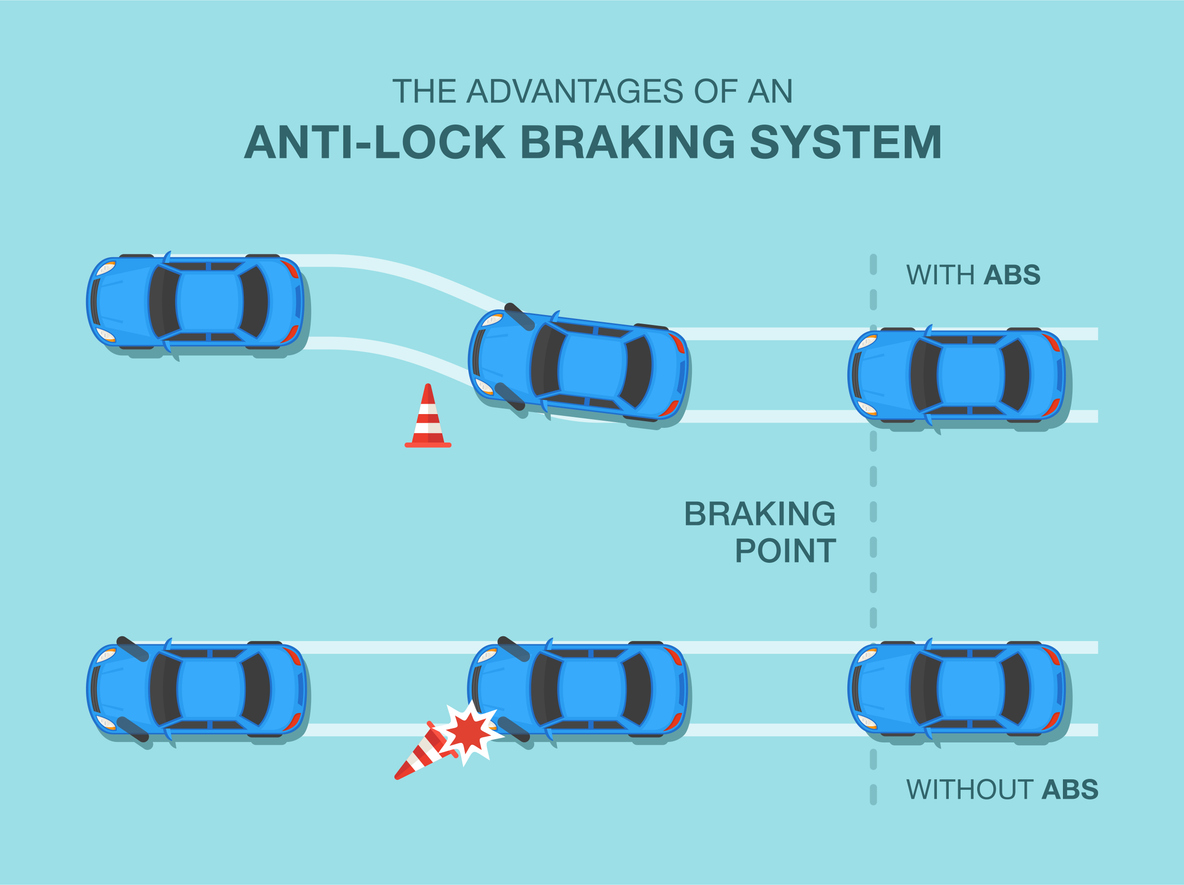
When drivers come into our shop after a close call on a slick road, the conversation usually turns to how their vehicle handled the stress. The Anti-lock Braking System, or ABS, is an active safety feature designed to prevent your wheels from locking up during heavy braking. In my experience, many people think ABS is there to help you stop faster, but its primary job is actually to help you maintain steering control. If your wheels lock into a skid, you lose the ability to steer the vehicle, which is a dangerous situation when you are trying to avoid an obstacle.
I often tell my customers that this system is like having a professional driver pumping the brakes for you, but at a speed no human could ever match. Modern systems can modulate brake pressure many times per second, keeping the tires at the very limit of traction without letting them stop rotating entirely. This is particularly vital on the gravel back roads around Onsted where loose surfaces can easily lead to a loss of grip during a sudden stop. By preventing that lock-up, the system ensures that the tires continue to provide the lateral force needed to turn the front wheels.
If you are currently driving an older model and are concerned about the reliability of your safety tech, our team can help you explore a more modern setup within our affordable pre-owned vehicle selection. Keeping these systems in top shape is a core part of what we do here. If you have questions about your specific vehicle's braking performance, you can always give us a call at (517) 456-6555 to chat with a professional. For those who want to see our facility in person, you can easily find our service center just off the main road.
Table of Contents
- The Mechanical Symphony Behind Your Brake Pedal
- Maintaining the Vital Components of Your ABS
- Interpreting Warnings and Knowing When to Call Our Technicians
- The Critical Connection Between ABS and Electronic Stability Control
- Professional Diagnostics and Precision Service for Modern Braking Systems
The Mechanical Symphony Behind Your Brake Pedal
The way an ABS functions is a fascinating bit of engineering that relies on four main components working in perfect synchronization. First, we have the wheel-speed sensors located at each hub, which monitor exactly how fast every tire is spinning. These sensors send data to the Electronic Control Unit, or ECU, which acts as the brain of the operation. When the ECU sees one wheel slowing down much faster than the others—a sign of an impending lock-up—it immediately steps in to adjust the pressure.
This adjustment happens through a series of hydraulic valves in the brake line. These valves can block pressure, release it, or allow the master cylinder to apply it as usual. A hydraulic pump then restores the pressure once the valve has released it. This rapid-fire cycle of "apply, hold, release" is what creates that vibrating sensation you feel in the pedal. I always remind people that if they feel that pulsing, they should stay firm on the pedal and let the system do its work; never pump the brakes yourself in a car equipped with ABS.
For commuters heading into Chelsea every morning, having a responsive braking system is non-negotiable for highway safety. If your pedal feels spongy or you haven't had your hardware inspected recently, you should book a maintenance check with our certified technicians. We offer various ways to keep your maintenance costs manageable, including options related to maintenance pricing options that we can discuss during your visit. You can also request a service appointment online to find a time that fits your busy schedule.
Maintaining the Vital Components of Your ABS
One thing I always tell customers is that the ABS is only as good as the fluid and sensors supporting it. Over time, brake fluid can absorb moisture from the air, which leads to internal corrosion in the hydraulic control unit. This moisture can also lower the boiling point of the fluid, causing a "soft" pedal during heavy use. We typically recommend a full fluid flush every two years to keep the internal valves from sticking. In my experience, a little preventative maintenance on the fluid can save you from a much larger repair bill down the road.
The sensors themselves are also prone to environmental wear, especially in our Michigan climate where road salt and grime are constant factors. A dirty or damaged sensor can’t send accurate data to the computer, which usually triggers a warning light and disables the anti-lock functionality. When we perform a brake inspection, our team looks for frayed wiring and debris buildup around the tone rings. If we find a faulty component, we only use high-quality genuine replacement parts to ensure the system communicates perfectly with your vehicle's computer.
If you are looking to tackle some basic maintenance yourself, you can get the right components directly through our department. We also keep a close eye on current maintenance offers to help our community stay safe without overspending. Keeping your sensors clean and your fluid fresh is the best way to ensure that when you hit the brakes in an emergency, the vehicle responds exactly how it was designed to.
Interpreting Warnings and Knowing When to Call Our Technicians
I often hear from drivers who are worried because a light popped up on their dashboard, and the ABS light is one you shouldn't ignore. When that light stays on, it means the computer has detected a fault and has likely deactivated the anti-lock feature. Your car will usually still have normal power-assisted braking, but you won't have the skid protection that ABS provides. This is a significant safety risk, especially during our unpredictable winter months when patches of ice can appear without warning.
Another common symptom of a struggling system is a grinding or buzzing noise that happens even when you aren't braking hard. This could indicate a failing hydraulic pump or a sensor that is misreading the wheel speed. If you start to notice these signs, it might be time to look into our latest service and vehicle specials to see how we can get you back into a reliable ride. For those who want a vehicle built exactly to their safety specifications, we can even assist with placing a factory order for a brand-new model.
If you are looking for a vehicle known for its robust safety tech, the new Jeep Compass comes equipped with advanced braking systems designed for both pavement and trail. When a warning light appears, our diagnostic tools can plug into your vehicle’s data port and pull the specific fault code, telling us exactly which sensor or valve is acting up. This takes the guesswork out of the repair and gets you back on the road much faster.
The Critical Connection Between ABS and Electronic Stability Control
Working with modern vehicles, I’ve seen how the ABS has evolved into the foundation for almost every other safety technology on the road. For instance, Electronic Stability Control, or ESC, uses the ABS hardware to help keep the car on its intended path. If the ESC detects that the vehicle is starting to slide sideways, it uses the ABS pump and valves to apply braking to individual wheels, "tugging" the car back into line. You can read more about these integrated technologies on our automotive insights page where we break down how these systems work together.
This integration is also vital for regenerative braking in hybrid and electric models. In these vehicles, the system has to balance the friction brakes with the electric motor's resistance to slow the car down smoothly. If you are considering moving into a newer model with these features, you can estimate your current vehicle's value to see how it fits into your budget. We have a wide range of options available in our current Jeep inventory that feature these high-tech safety suites.
Since 2012, both ABS and ESC have been standard on all passenger vehicles because they are so effective at reducing crashes. These systems are active the moment you start the car, though they generally don't intervene until they detect a loss of traction or a hard-braking event above roughly 12 mph. Understanding that these systems are working in the background provides a lot of peace of mind when you’re navigating busy intersections or merging onto the expressway.
Professional Diagnostics and Precision Service for Modern Braking Systems
One of the first things I check when a car comes in with a braking complaint is the health of the electrical system. Because ABS is so dependent on sensors and computers, a weak battery or a corroded ground wire can actually cause phantom ABS issues. Our certified technicians use specialized scanners that can "see" what each wheel-speed sensor is reporting in real-time during a test drive. This level of precision is why I always recommend professional diagnostics over trying to guess which part might be failing.
We want to make sure every driver in our community has access to top-tier safety, which is why we regularly offer discounts on essential maintenance. You can also browse our current service specials to find deals on fluid flushes and brake pad replacements. Taking care of your brakes isn't just about stopping; it's about maintaining the sophisticated technology that keeps you in control during the worst driving conditions.
If you’re noticing any changes in how your brake pedal feels or if that warning light has made an appearance, don't wait to get it checked out. You can visit our location for a thorough inspection by our team. If you'd prefer to speak with someone first, feel free to give us a call at (517) 456-6555. We’re here to help you understand your vehicle’s technology and keep it running exactly the way the engineers intended.
© 2026 NewGen Chrysler Dodge Jeep Ram of Clinton. All rights reserved.