
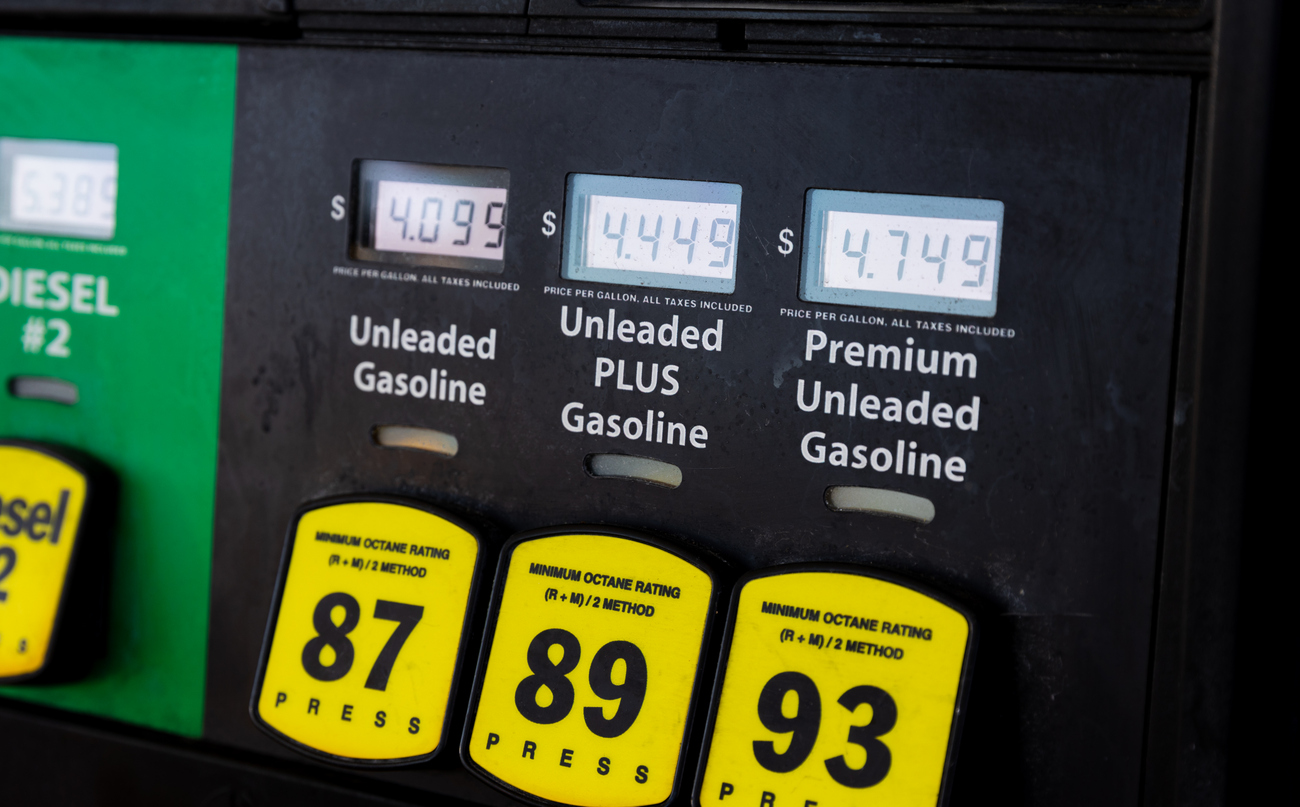
Fuel requirements vary by model and engine. Many Ram trucks and Jeep vehicles with naturally aspirated engines may run on standard 87 octane regular unleaded fuel, while some higher-output or turbocharged engines may recommend premium fuel. Always check the owner's manual and fuel-filler label for the exact requirement for your vehicle.
At NewGen Chrysler Dodge Jeep Ram of Clinton, drivers frequently ask our service team about fuel selection at the pump. Engine octane ratings measure fuel stability under pressure, using the Anti-Knock Index (R+M)/2 formula displayed on fuel pumps across North America. Running lower octane than required can cause ignition timing delays, whereas running higher octane than recommended does not harm the engine but unnecessarily increases operational costs.
For drivers around Onsted pulling trailered boats to Wamplers Lake or running farm equipment during harvest season, selecting the appropriate fuel grade helps preserve engine components under load. Vehicles operating under severe stress benefit from following exact factory octane guidelines to prevent thermal build-up and knock.
If you ever have questions regarding factory fluid standards or maintenance schedules, visit our team at 1111 W Michigan Ave, Clinton, MI 49236 or give our service department a quick call to speak with a factory-trained technician.
Table of Contents
- What Fuel Octane Is Recommended for Ram Trucks and Jeep Engines?
- Does 93 Octane Prevent Engine Knock and Protect Turbocharged Engines?
- Does Premium Fuel Improve Towing Performance and Horsepower in Ram 1500 Trucks?
- Is 93 Octane Premium Worth the Extra Annual Cost for Daily Driving?
- Common Questions About Ram and Jeep Fuel Requirements
- Schedule Certified Ram and Jeep Powertrain Maintenance in Clinton
What Fuel Octane Is Recommended for Ram Trucks and Jeep Engines?
Factory guidelines specify 87 octane for V6 engines, 89 octane for HEMI V8s, and 91 or 93 octane for turbocharged and high-output Ram and Jeep models.
Every powertrain architecture is tuned for specific fuel burn characteristics:
- 3.6L Pentastar V6: Designed to run on standard 87 octane regular unleaded gasoline. This engine powers millions of Jeep Wrangler, Jeep Grand Cherokee, and Ram 1500 models without requiring premium fuel.
- 2.0L Turbocharged 4-cylinder: Accepts 87 octane for normal driving, but factory engineers recommend 91 or 93 octane premium fuel to unlock peak horsepower and maximum turbocharger boost.
- 3.0L Hurricane I-6 Standard Output: Requires a minimum of 87 octane, though 91 or 93 octane premium fuel is strongly recommended for peak thermal efficiency and full torque delivery under heavy acceleration.
- 3.0L High Output RHO: Requires 91 or 93 premium octane fuel exclusively. Lower octane fuels should not be used in high-output twin-turbo powertrains due to elevated compression ratios.
- 5.7L HEMI V8: Calibrated for 89 octane fuel to deliver optimum power and fuel economy, though standard 87 octane regular unleaded is completely acceptable for daily operation.
- 6.4L V8: Recommended for 91 or 93 octane fuel to support its high-compression combustion chambers and maintain full torque output.
Using proper OEM fuel system treatments and genuine replacement fuel filters protects fuel injectors from harmful varnish deposits. You can easily order genuine Mopar parts through our department to ensure your vehicle's fuel delivery system remains clean and efficient.
Does 93 Octane Prevent Engine Knock and Protect Turbocharged Engines?
Premium 93 octane fuel can help reduce engine knock in vehicles that require or recommend it by better resisting pre-ignition under high compression and turbocharger boost.
Engine knock, or detonation, occurs when the air-fuel mixture ignites prematurely due to excessive heat and cylinder pressure, sending harmful shockwaves across pistons, wrist pins, and cylinder walls. In modern turbocharged engines like the 3.0L Hurricane I-6, forced induction crams dense air into the cylinders. Under heavy acceleration, this increased pressure raises internal temperatures, making low-octane fuel susceptible to auto-ignition.
When a vehicle detects engine knock using internal knock sensors, the Engine Control Module (ECM) automatically retards ignition timing to safeguard internal components. While this process protects the engine from immediate mechanical damage, it results in a noticeable drop in horsepower, reduced throttle response, and lower fuel efficiency.
Using 93 octane gasoline allows turbocharged engines to run their full factory-programmed timing curves safely. Combining high-octane fuel with Top Tier detergent additives ensures intake valves and direct-injection nozzles remain free of carbon deposits, preserving original performance over years of ownership.
Does Premium Fuel Improve Towing Performance and Horsepower in Ram 1500 Trucks?
Premium 93 octane fuel does not increase a truck's official maximum factory tow rating, but it enables the engine to sustain peak torque and operate cooler during severe hauling conditions.
Maximum towing capacity—such as the 12,750 lbs towing capacity rating available on properly equipped Ram trucks—is a fixed mechanical limit determined by chassis strength, axle ratios, suspension geometry, and cooling capacity. However, filling your fuel tank with 93 octane before hauling a heavy trailer provides critical thermal protection for the engine.
When towing heavy loads along highway corridors around Michigan Center, engines sustain high throttle openings for extended periods. Under these severe operating conditions, 87 octane fuel can reach its thermal detonation threshold, prompting the ECM to pull timing and reduce engine output. Running 93 octane allows the engine to maintain its maximum rated output without pulling timing, giving you full pulling power on steep grades.
Drivers operating new Ram 1500 trucks or specialized configurations like new Ram 1500 Big Horn Crew Cab models will notice smoother power delivery and lower peak operating temperatures during summer towing when using 91 or 93 octane fuel.
Is 93 Octane Premium Worth the Extra Annual Cost for Daily Driving?
Using 93 octane premium fuel is generally unnecessary for daily driving in vehicles designed for 87 octane, unless the owner's manual recommends a higher octane fuel for your specific engine.
At local fill-up stations, 93 octane premium fuel typically carries a price premium of $0.60 to $0.90 per gallon over regular 87 octane gasoline. For a driver covering 15,000 miles per year at an average fuel economy rating of 20 mpg, choosing premium fuel over regular can add noticeable annual operating costs depending on local fuel prices.
| Engine Type | Factory Recommended Grade | Minimum Fuel Grade | Annual Premium Cost Advantage |
|---|---|---|---|
| 3.6L Pentastar V6 | 87 Octane | 87 Octane | None (Expense Not Recommended) |
| 5.7L HEMI V8 | 89 Octane | 87 Octane | Minor (Recommended for Heavy Loads) |
| 2.0L Turbocharged I-4 | 91/93 Octane | 87 Octane | Moderate (Restores Rated Horsepower) |
| 3.0L Hurricane I-6 | 91/93 Octane | 87 Octane | Significant (Protects Turbo Engine) |
| 3.0L High Output RHO | 91/93 Octane | 91 Octane | Mandatory (Required by Factory) |
If your owner's manual specifies 87 octane for a naturally aspirated engine like the 3.6L Pentastar V6, the engine computer is calibrated to achieve maximum efficiency on regular fuel. Pumping 93 octane into these engines does not produce extra energy, because octane is a measure of detonation resistance rather than energy density. Spending money on routine oil changes and factory maintenance yields far better long-term reliability than buying higher-octane fuel your engine does not require.
Common Questions About Ram and Jeep Fuel Requirements
Q: What happens if I accidentally put 87 octane fuel in an engine that requires premium?
Using 87 octane in a high-output turbocharged engine triggers knock sensors, causing the engine computer to retard ignition timing to prevent mechanical damage. While short-term use will not immediately destroy the engine, you may notice reduced throttle response, decreased power, and lower fuel economy. Refill with 93 octane premium fuel as soon as space allows, and avoid heavy towing or full-throttle acceleration until the proper octane level is restored.
Q: Does 93 octane gasoline contain more engine-cleaning additives than standard 87 octane?
Octane rating itself only measures resistance to detonation, not cleaning capability. Detergent levels are determined by the fuel brand rather than the octane grade. Gasoline sold at Top Tier certified stations contains elevated detergent levels across all octane grades—including 87, 89, and 93—to prevent carbon buildup on fuel injectors and intake valves. To keep your engine clean, choose a Top Tier fuel brand rather than relying solely on a higher octane number.
Q: How does cold Michigan weather affect fuel octane requirements?
Cold winter air is dense and oxygen-rich, which can increase combustion pressures slightly, but colder ambient temperatures also help cool internal engine components. For naturally aspirated engines, seasonal temperature changes do not alter factory octane requirements. However, turbocharged engines operating in cold weather still require rated octane levels when accelerating hard, as turbochargers force large volumes of dense air into the engine regardless of outside temperatures.
Q: Will using 87 octane fuel void my powertrain warranty?
Using 87 octane fuel in vehicles where 87 octane is listed as acceptable or recommended will never affect warranty coverage. For high-output performance models where 91 or higher octane is explicitly stated as required in the owner's manual, using sub-grade fuel that leads to engine damage from persistent knock may affect powertrain warranty claims, depending on the vehicle's warranty terms. Always follow the fuel requirements posted inside your vehicle's fuel filler door and owner's manual.
Q: How often should I schedule fuel system maintenance for my truck or SUV?
Factory maintenance schedules recommend replacing engine air filters every 20,000 to 30,000 miles and inspecting fuel lines and connections during routine oil changes. If you drive in dusty conditions or use your vehicle for frequent heavy towing, having our technicians perform a professional fuel injection system cleaning every 30,000 miles helps maintain proper spray patterns and optimal combustion efficiency. You can schedule Mopar service online at your convenience.
Schedule Certified Ram and Jeep Powertrain Maintenance in Clinton
Maintaining your engine's internal components with regular oil changes, clean air filters, and fresh spark plugs ensures maximum fuel efficiency and long-term durability regardless of the fuel grade you run.
At NewGen Chrysler Dodge Jeep Ram of Clinton, our factory-certified technicians understand the precise engineering specs of every Chrysler, Dodge, Jeep, and Ram powertrain. From diagnosing subtle engine knock issues to performing full fuel system flushes and spark plug replacements, our team utilizes genuine Mopar parts and specialized diagnostic tools to keep your vehicle performing at its best.
Whether you need a quick multi-point inspection before a cross-country towing trip or routine oil service, we provide transparent recommendations and prompt service tailored to your schedule. Stop by our service center at 1111 W Michigan Ave, Clinton, MI 49236 or give our team a quick call today to keep your powertrain running strong.
© 2026 NewGen Chrysler Dodge Jeep Ram of Clinton. All rights reserved.