

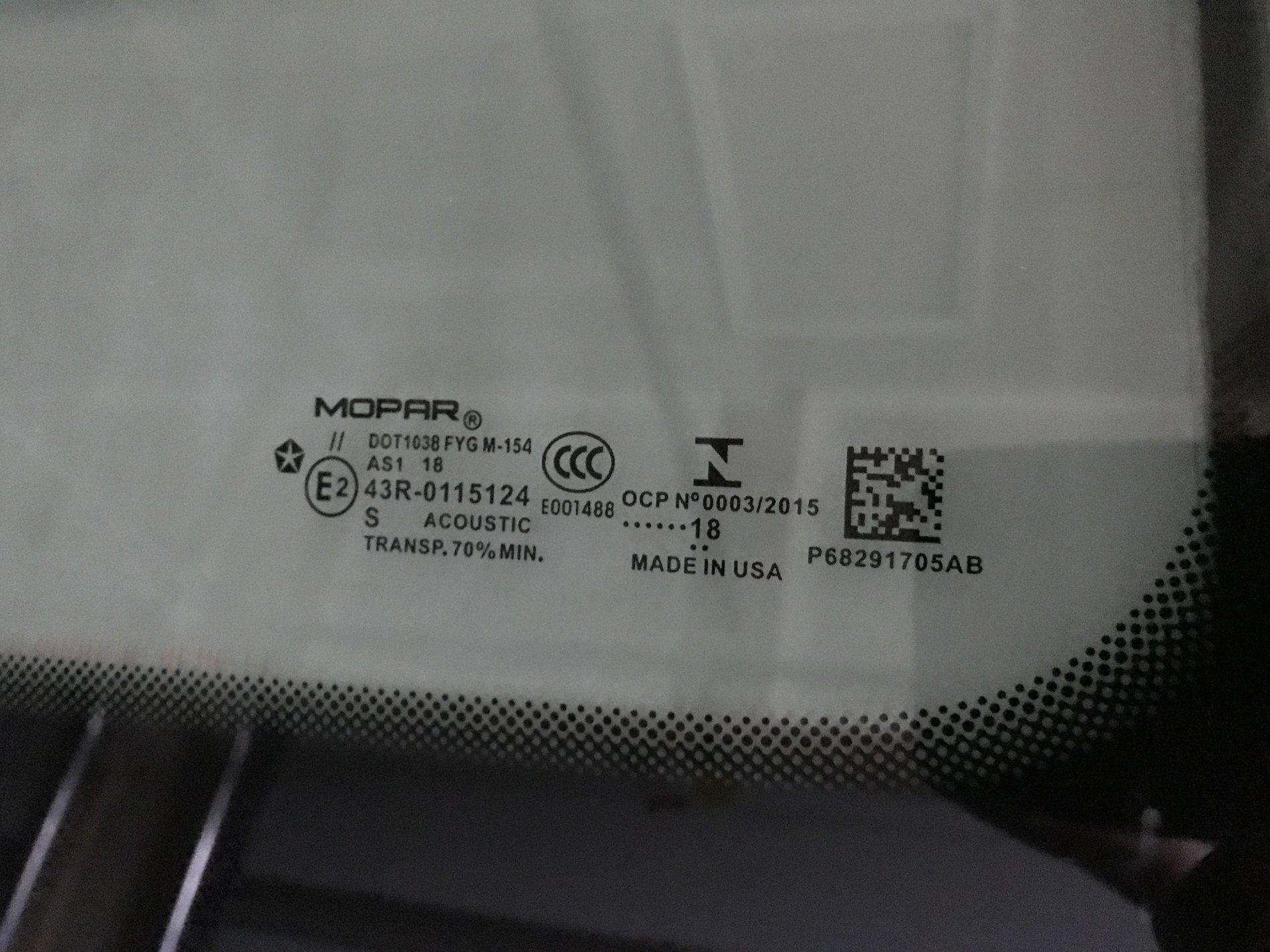
An acoustic windshield is a laminated safety glass assembly engineered with a specialized sound-damping interlayer bonded between two outer glass plies. Unlike standard laminated glass, the inner acoustic core absorbs high-frequency sound waves and panel vibrations, reducing interior wind noise and road hiss by 2 to 4 decibels at highway speeds without adding significant vehicle weight or altering optical clarity.
At its core, acoustic glass relies on a co-extruded tri-layer film, typically featuring a soft viscoelastic polymer layer sandwiched between two protective polyvinyl butyral (PVB) outer skins. When wind strikes the exterior glass surface at higher speeds, the panel naturally wants to vibrate and transmit sound waves directly into the passenger compartment. The soft inner layer converts that mechanical vibration energy into negligible thermal energy, disrupting the transmission of sound before it reaches your ears.
This damping action targets high-frequency noises between 1,000 Hz and 5,000 Hz—the specific acoustic range where wind rush around side mirrors and tire whistle from pavement are most noticeable. Vehicle owners driving open stretches near Onsted often notice the difference immediately, as acoustic glass eliminates the high-pitched cabin hiss common on rural state highways and open farmland routes.
Because the acoustic interlayer sits sealed inside the glass laminate, the exterior dimensions, glass curvature, solar tinting, and embedded heating elements remain identical to standard auto glass. When you visit our dealership facility on West Michigan Avenue or call (517) 456-6555 to speak with our service team, we can walk you through how factory acoustic glass keeps your cabin quiet during daily travel.
Table of Contents
- What Makes Acoustic Glass Different From Standard Laminated and Tempered Glass?
- What Materials and Construction Give Acoustic Windshields Sound, Heat, and UV Protection?
- How Can You Tell If Your Vehicle Has Acoustic Glass and Where Is the Bug Located?
- Why Are Acoustic Windshields More Expensive and Does Insurance Cover Replacement?
- Common Questions About Acoustic Windshield Care and Replacement
- Maintaining and Replacing Acoustic Glass at NewGen Chrysler Dodge Jeep Ram
What Makes Acoustic Glass Different From Standard Laminated and Tempered Glass?
Acoustic glass differs from standard laminated glass by incorporating a sound-absorbing inner core, whereas tempered glass lacks a multi-layer bonded structure entirely. While all three types of glass serve specific safety and structural roles in modern vehicles, their construction and noise-reduction properties vary significantly.
Standard laminated windshield glass consists of two plies of glass bonded together by a single 0.38 mm standard PVB plastic layer. This design is engineered primarily for safety: during an impact, the glass cracks but remains bonded to the plastic interlayer, preventing sharp shards from flying into the cabin and providing structural support for airbag deployment. However, a standard PVB interlayer offers minimal vibration damping, allowing exterior wind and road noise to pass through relatively unimpeded.
In contrast, an acoustic laminated windshield utilizes a thicker, multi-layer interlayer—typically measuring 0.76 mm acoustic PVB film—that combines structural outer skins with a sound-dampening center core. This unique construction targets the "coincidence dip," a frequency range between 2,000 Hz and 3,000 Hz where standard automotive glass loses its sound barrier effectiveness. The acoustic core fills this efficiency gap, recovering up to 6 decibels of sound transmission loss in that critical frequency band.
Tempered glass represents a completely different manufacturing process. Created by heat-treating a single sheet of glass to increase its strength, tempered glass is engineered to shatter into small, dull granules upon severe impact. It is commonly used for vehicle side door windows and rear hatch glass. Because tempered glass is a single solid pane without an internal polymer layer, it provides almost no acoustic damping against airborne road noise.
| Glass Type | Construction | Primary Safety Function | Noise Damping Ability | Common Vehicle Application |
|---|---|---|---|---|
| Tempered Glass | Single heat-treated glass sheet | Shatters into small dull granules | Minimal damping | Side windows, rear glass |
| Standard Laminated Glass | Two glass plies with 0.38 mm standard PVB | Holds broken glass together | Baseline impact protection | Basic windshield replacement |
| Acoustic Laminated Glass | Two glass plies with 0.76 mm acoustic PVB film | Holds glass together + damps acoustic vibration | High (cuts 2-4 dB highway noise) | Factory windshields on premium models |
What Materials and Construction Give Acoustic Windshields Sound, Heat, and UV Protection?
An acoustic windshield achieves its performance through a multi-material tri-layer sandwich design that balances structural stiffness, optical clarity, and acoustic absorption. The composite construction relies on precise polymer chemical formulations to maximize both sound deadening and passenger environmental comfort.
The outer layers of the interlayer consist of rigid PVB skins that bond directly to the inner surfaces of the two glass sheets under high pressure and temperature during the autoclave manufacturing process. These outer skins provide mechanical strength, puncture resistance, and chemical adhesion. Nestled between those outer skins is a specialized viscoelastic core formulated to remain soft and flexible across a wide operating temperature range. This soft core acts as a shock absorber for sound waves, converting acoustic energy into microscopic friction within the polymer structure.
Beyond noise reduction, the multi-ply PVB interlayer provides substantial thermal and ultraviolet protection. The polyvinyl butyral resin naturally absorbs up to 99 percent of harmful ultraviolet radiation, helping protect interior upholstery, leather trim, and dashboard materials from sun fading and cracking over time. Furthermore, the combined thickness of the acoustic laminate reduces solar heat gain, helping maintain cooler cabin temperatures and reducing the load on your vehicle's air conditioning system during hot summer drives.
Many modern heavy-duty vehicles utilize this advanced glass technology directly from the factory. For instance, truck configurations like the 2026 Ram 2500 Tradesman, 2026 Ram 3500 Tradesman, and 2026 Ram 4500 Chassis Cab equipped with Quick Order Package 25Z Big Horn feature Tinted Acoustic Windshield Glass as standard equipment. This factory integration ensures that heavy-duty work trucks maintain quiet, comfortable cabins even when operating diesel engines under heavy towing loads.
How Can You Tell If Your Vehicle Has Acoustic Glass and Where Is the Bug Located?
You can identify whether your vehicle is equipped with an acoustic windshield by examining the glass "bug"—the manufacturer certification stamp etched into one of the lower corners of the glass. This etched marking contains regulatory data, manufacturer codes, and specific symbols indicating the glass specification.
To locate the bug, look closely at the bottom driver-side or passenger-side corner of your windshield from the outside of the vehicle. Factory acoustic glass typically includes one or more distinct indicators near the DOT compliance number:
- The word Acoustic or SoundScreen printed clearly near the brand logo.
- A pictogram icon depicting a human ear or sound waves passing through glass.
- Code letters such as A, Acoustic Glass, or Sound Glass embedded in the glass specification text.
If the etched bug is worn or difficult to read, an expert technician can verify acoustic glass with the windshield removed by inspecting the exposed glass edge under a bright light. A standard laminated windshield displays a uniform single interlayer measuring about 0.38 mm, while an acoustic windshield reveals a visible tri-layer sandwich line measuring approximately 0.76 mm thick.
Alternatively, our dealership service department can verify your exact factory glass specification directly through your vehicle identification number (VIN). When drivers planning a vehicle order want to confirm quiet-cabin glass options across specific trim levels, checking factory build sheets through our factory custom order process ensures every desired comfort feature is selected before production. Commuters travelling daily around Michigan Center along busy highway corridors especially appreciate verifying acoustic glass features to guarantee a serene cabin experience on every drive.
Why Are Acoustic Windshields More Expensive and Does Insurance Cover Replacement?
Acoustic windshields carry a higher replacement cost than standard laminated glass because of complex tri-layer manufacturing requirements and strict optical quality standards. Production requires specialized co-extrusion machinery, precise humidity and temperature controls, and stringent autoclave cycles to ensure the soft viscoelastic core bonds permanently without optical haze or edge bubbling.
On average, an OEM acoustic windshield replacement costs roughly 20 to 40 percent more than a generic single-layer aftermarket windshield. However, installing a generic, non-acoustic glass replacement to save on upfront costs can compromise cabin quietness, introducing noticeable wind rush and tire noise at highway speeds.
Fortunately, comprehensive auto insurance policies typically cover windshield replacement, including factory-spec acoustic glass. Depending on your policy terms and state insurance regulations, glass replacement may be covered under a zero-deductible glass claim or subject to your standard comprehensive deductible. When filing a claim, it is essential to request glass that matches your vehicle's original manufacturer specifications to preserve its engineered sound-dampening properties.
Modern windshield replacements also involve advanced driver-assist technology. Vehicles equipped with safety features like Full-Speed Forward Collision Warning Plus or Adaptive Cruise Control utilize windshield-mounted cameras and sensors. Replacing the glass requires precise camera recalibration to ensure safety systems function properly. Using genuine Mopar replacement glass guarantees exact optical tolerances and bracket alignment for these safety systems.
Common Questions About Acoustic Windshield Care and Replacement
Q: Does replacing an acoustic windshield require camera recalibration?
Yes, replacing an acoustic windshield on any modern vehicle equipped with camera-based driver-assist systems requires camera recalibration. Safety systems like lane departure warning and forward collision mitigation rely on cameras mounted behind the top center of the glass. Whenever the windshield is removed or replaced, technician recalibration ensures these driver-assist sensors retain accurate alignment and measurement distances.
Q: Can a standard laminated windshield be installed instead of an acoustic windshield?
A standard laminated windshield will physically fit and meet all federal safety regulations, but it will noticeably increase cabin noise levels. Installing standard glass removes the sound-damping layer, allowing wind rush and road hiss to penetrate the interior. To maintain original factory quietness, replacing damaged glass with an OEM-spec acoustic windshield is strongly recommended.
Q: Does an acoustic windshield add noticeable weight to a vehicle?
No, an acoustic windshield does not add meaningful weight to your vehicle. Upgrading from a standard 0.38 mm PVB film to a 0.76 mm acoustic interlayer adds only about 0.4 kilograms per square meter of glass. Achieving equivalent noise reduction by simply increasing glass thickness would add several kilograms, making acoustic interlayer technology a lightweight solution for cabin soundproofing.
Q: Can tempered glass be manufactured with acoustic sound damping?
No, tempered glass cannot be produced with an acoustic interlayer. Tempered glass consists of a single, heat-strengthened sheet of solid glass designed to shatter into tiny pieces for side window safety. Acoustic sound damping requires a multi-layer laminated sandwich construction where a soft polymer film is bonded between glass sheets to absorb vibration.
Q: Will an acoustic windshield prevent rock chips and cracks better than standard glass?
An acoustic windshield offers similar outer impact resistance compared to standard laminated safety glass. While the outer glass plies can still chip or crack when struck by road debris, the inner acoustic PVB interlayer maintains structural integrity and keeps broken glass bonded together safely. Small chips should be repaired promptly by a certified technician to prevent cracks from spreading. You can easily request an inspection by scheduling a service appointment online or by learning about our certified service department.
Maintaining and Replacing Acoustic Glass at NewGen Chrysler Dodge Jeep Ram
Maintaining your vehicle's quiet cabin performance requires expert glass care, genuine OEM parts, and certified technician installation. Whether you need a rock chip inspection, complete windshield replacement, or camera recalibration after glass repair, our factory-trained service technicians deliver accurate care tailored to your vehicle's exact engineering specifications.
If you suspect your windshield has suffered damage or notice increased cabin wind noise on your daily commute, visit our Clinton service center or give our service advisors a call at (517) 456-6555. We can verify your factory glass options, coordinate with your insurance provider, and ensure your vehicle retains its whisper-quiet interior—whether you drive a heavy-duty Ram truck or are exploring quiet cabin refinement across the Jeep 4xe plug-in hybrid lineup.
© 2026 NewGen Chrysler Dodge Jeep Ram of Clinton. All rights reserved.